
If you’re feeling completely drained after having your baby, you’re not alone—and there’s a good chance your vitamin C levels are part of the problem. This essential nutrient gets used up fast during pregnancy, birth, and breastfeeding, leaving many new moms running on empty.
At Postpartum Care USA, we know that true postpartum recovery means looking at the whole picture. Vitamin C deficiency is one of those hidden issues that can make you feel exhausted, slow your healing, and leave you wondering if you’ll ever feel like yourself again.
The good news? Once you understand what’s going on with your vitamin C levels, you can take simple steps to feel better. Let’s break down everything you need to know about this water soluble vitamin and your postpartum recovery.
What Is Vitamin C Deficiency Postpartum?
Vitamin C, also called ascorbic acid, is an essential nutrient your body needs but cannot make on its own. You have to get it from food sources like citrus fruits and vegetables, or from vitamin C supplements.
During pregnancy and after birth, your body uses up vitamin C stores quickly. This nutrient helps build collagen (the stuff that holds your skin and tissues together), supports your immune system, and fights off cell damage from stress.
Here’s the problem: about 25-30% of postpartum women worldwide don’t get adequate vitamin C. For moms who smoke, that number jumps to 40%. Yet most doctors don’t check vitamin C levels during postpartum visits.
Your body is working hard to heal from birth, make breast milk, and keep you going on little sleep. Without enough vitamin C, everything gets harder.
Vitamin C Deficiency Symptoms Postpartum
How do you know if low vitamin C levels are affecting you? Watch for these signs:
- Extreme fatigue and low energy levels
- Poor wound healing (C-section scars or tears healing slowly)
- Frequent colds and infections
- Joint pain and muscle aches
- Hair loss and brittle hair
- Mood changes and irritability
- Bleeding gums and dental problems
- Easy bruising on your skin
Many moms brush off these symptoms as “just part of having a baby.” But they could be your body asking for help.
What Causes Vitamin C Depletion Postpartum?
Several things drain your vitamin C stores after having a baby:
- Pregnancy and birth use up your stored nutrients
- Breastfeeding increases your daily needs—you lose about 40mg through breast milk every day
- Poor postpartum nutrition and skipped meals (because who has time to eat?)
- Stress and lack of sleep reduce how well your body absorbs nutrients
- Smoking or secondhand smoke burns through vitamin C faster
- Limited access to fresh fruits and vegetables—especially for low-income families
Breastfeeding mothers need to pay extra attention since vitamin C goes directly into human milk to protect your baby.
How Long Does Vitamin C Deficiency Last Postpartum?
Without making changes, low vitamin C levels can stick around for months. How fast you recover depends on:
- What you’re eating
- Whether you’re taking vitamin C supplementation
- If you’re breastfeeding
- Your overall health
Severe deficiency can take 2-3 months to fully correct. But most moms start feeling better within a few weeks of getting enough vitamin C.
Sarah’s Story: Recovering After Twins
Sarah, 28, had twins by C-section. Six weeks later, she felt exhausted all the time. Her incision was healing slowly, and she kept catching every cold her older child brought home.
After our root cause lab testing, we found her vitamin C levels were low—just 25 µmol/L (deficient is under 28). Sarah started eating more fruits and vegetables and added a 200mg daily supplement.
Within four weeks, her incision healed faster. Her energy improved. Her breast milk vitamin C content rose from 35 to 55 mg/L. Even her baby seemed happier with fewer fussy episodes.
“I thought feeling terrible was just part of being a new mom,” Sarah said. “I wish someone had checked my vitamin C sooner.”
Vitamin C Postpartum Recovery
1. Meet Daily Vitamin C Requirements
The recommended dietary allowance changes based on your life stage:
- Breastfeeding moms: 120mg daily
- Non-breastfeeding postpartum women: 75mg daily
- Smokers: Add 35mg more per day
That means breastfeeding mothers need 45mg more than non-pregnant women. The Office of Dietary Supplements lists these amounts to keep you and baby healthy.
2. Focus on Vitamin C Rich Foods
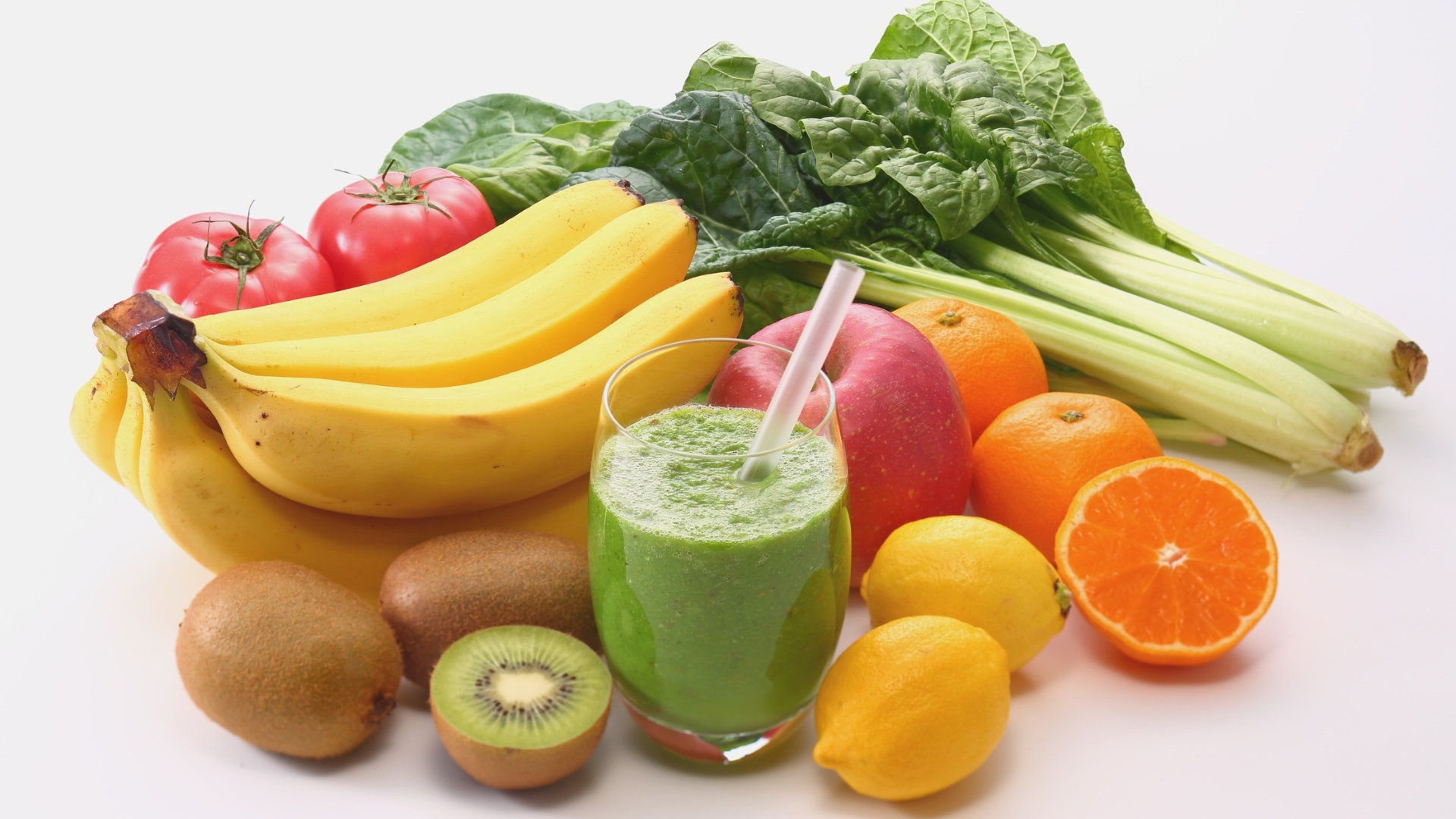
Plant based foods are your best sources of vitamin C. Here are top picks:
| Food | Vitamin C Content |
|---|---|
| Red bell pepper (1/2 cup) | 95mg |
| Orange (1 medium) | 70mg |
| Strawberries (1 cup) | 85mg |
| Broccoli (1/2 cup cooked) | 50mg |
| Kiwi (1 medium) | 70mg |
Easy snack ideas for busy moms:
- Orange slices with your morning coffee
- Strawberries with yogurt
- Bell pepper strips with hummus
- Quick smoothie with frozen berries
Tips to keep vitamin C in your food:
- Eat fruits and vegetables raw when possible
- Don’t overcook veggies—steam or microwave briefly
- Store cut produce in airtight containers
- Use fresh items within a few days
3. Support Absorption and Utilization
Getting vitamin C is one thing. Helping your body use it is another:
- Pair vitamin C with iron-rich foods. This helps prevent iron deficiency anemia—common postpartum
- Wait to drink coffee or tea until 30 minutes after eating vitamin C rich foods
- Rest when you can. Stress uses up vitamin C faster
- Stay hydrated. Water helps carry vitamin C through your blood vessels
- Vitamin C is important for wound healing and helps the body absorb iron.
Vitamin C Supplements Postpartum
Sometimes a healthy diet isn’t enough, and dietary supplements can help fill the gap.
When supplements make sense:
- You’re not eating many fruits and vegetables
- You’re a breastfeeding mother with high demands
- You smoke or are around secondhand smoke
- Blood tests show low vitamin c levels
Safe dosage guidelines:
- The tolerable upper intake level is 2000mg daily
- Most supplements contain 500-1000mg
- Start with lower doses of vitamin c and increase if needed
- Spread your vitamin C intake throughout the day for better absorption
Forms of vitamin C supplements:
- Ascorbic acid (most common and cheapest)
- Mineral ascorbates (easier on the stomach)
- Both work well for most people
Safety for breastfeeding: Taking vitamin c is generally safe while nursing. Your breast milk will contain more vitamin C, which is good for breast fed infants. However, high doses above 1000mg might cause digestive issues in some babies.
Higher maternal vitamin C intake during breastfeeding may reduce the risk of the infant developing allergies, such as eczema or asthma.
Warning signs of too much vitamin C:
- Stomach cramps
- Diarrhea
- Nausea
- Risk of kidney stones (rare, but possible with excessive vitamin c)
If you have kidney disease, talk to your healthcare provider before taking supplemental vitamin c.
Will My Energy Ever Return After Having a Baby?
Yes—with the right care, your energy can fully come back.
Most moms see real improvements within 2-4 weeks of addressing their vitamin C deficiency. Here’s why vitamin C matters so much for energy:
- It supports your adrenal glands (which manage stress)
- It helps your immune function stay strong
- It aids in making brain chemicals that affect mood
- Its antioxidant properties protect your cells from damage
How Fixing Her Vitamin C Changed Everything: Maria’s Story
Maria, a first-time mom, came to us feeling hopeless at 4 months postpartum. She’d been told her exhaustion was “normal” and to “just wait it out.”
We checked her nutrient levels and found her vitamin C was very low. She’d been so focused on caring for her baby that she was barely eating, and when she did eat, it was quick processed foods.
We helped Maria add simple vitamin C sources to her day—orange juice with breakfast, strawberries as snacks, a basic supplement of 200mg. We also looked at her iron, vitamin D, and other essential vitamins.
Within three weeks, Maria said she felt “like a fog lifted.” Her wounds from birth finally finished healing. She stopped getting sick every few weeks. Most importantly, she felt like herself again.
Remember: Vitamin C works best when you’re also getting other nutrients you need. Prenatal vitamins or postnatal vitamins often include vitamin C along with folic acid, iron, and other essential nutrients.
Vitamin C supports healing postpartum by boosting collagen synthesis for wound repair, enhancing iron absorption, strengthening immunity, and providing antioxidant protection while benefiting the baby through breast milk. Vitamin C is also involved in protein metabolism and helps in the biosynthesis of neurotransmitters.
Conclusion
Vitamin C deficiency is common after having a baby, but it doesn’t have to keep you feeling terrible. This water soluble vitamin is easy to get through food and supplements once you know what to look for.
Key takeaways:
- Postpartum women, especially breastfeeding mothers, need more vitamin C than usual
- Symptoms like fatigue, slow healing, and frequent illness may signal low vitamin C levels
- Simple changes to your diet and adding supplements can make a big difference
- Most moms feel better within weeks of getting enough vitamin C
Don’t wait for things to get worse. If you think vitamin C deficiency might be affecting you, talk to your healthcare provider or book a call with our team. They can check your levels and help you create a plan.
Taking care of your nutritional needs isn’t selfish—it’s how you take care of your baby and family too. You deserve to feel good again, and with the right support, you will.
Ready to find out what’s really going on with your postpartum health? Book a New Mama Virtual Health Assessment with one of our providers to get personalized guidance for your recovery journey.
Frequently Asked Questions for Vitamin C Postpartum
1. Why is Vitamin C important after having a baby?
Vitamin C plays an important role in postpartum healing and recovery. It helps your body produce collagen for tissue repair, supports immune health, and protects cells from stress after pregnancy and birth. For many new moms, restoring vitamin C levels can also help improve energy and overall wellbeing.
2. How much Vitamin C do breastfeeding moms need?
Breastfeeding mothers typically need about 120 mg of vitamin C per day to support both their own health and their baby’s needs through breast milk. This amount can come from a combination of vitamin C–rich foods and supplements if necessary.
3. What are signs of low Vitamin C postpartum?
Common signs of vitamin C deficiency after childbirth include persistent fatigue, slow wound healing, frequent infections, hair changes, and easy bruising. These symptoms are sometimes mistaken for normal postpartum exhaustion but may signal underlying nutrient depletion.
4. Is it safe to supplement Vitamin C while nursing?
Vitamin C supplements are generally considered safe for most breastfeeding mothers when taken within recommended doses. However, it’s always best to talk with a healthcare provider before starting any new supplement during the postpartum period.
5. What foods provide Vitamin C for recovery?
Many fruits and vegetables are rich in vitamin C, including oranges, strawberries, kiwi, bell peppers, and broccoli. Adding these foods regularly to your meals can help support postpartum healing and strengthen your immune system.
Pin This For Later:

Postnatal Depletion
Meet the Team
Our Services
Supplements
A virtual healthcare clinic that helps postpartum mamas recover from postnatal depletion syndrome with a holistic approach.
Welcome to Postpartum Care USA


Get in touch