
Quick Answer: Postpartum Depression Lasts Months, even Years if Left Untreated
Maria loved her baby more than anything. But six months after giving birth, she still felt like a dark cloud followed her everywhere. She kept telling herself, “This will pass. Just wait a little longer.”
It didn’t pass.
Here’s the truth: untreated postpartum depression can last many months. For some parents, it lasts several years after their child’s birth. (Yes, postpartum depression can affect men, too!) Without treatment, symptoms of postpartum depression often stay the same or get worse. They don’t just fade away like the postpartum blues.
Research suggests that about 1 in 20 parents still have serious depressive symptoms three full years after giving birth—if they never get help. That’s not a scare tactic. That’s what studies from the National Institute of Child Health and Human Development have found.
The good news? Postpartum depression is very treatable. It’s not your fault, and you don’t have to wait and hope it goes away on its own.
If you’re struggling, please reach out to our team today. Your mental health is often a sign of nutrient depletion. Don’t wait to see if it passes. Help is available right now.
What Is Postpartum Depression (PPD)?
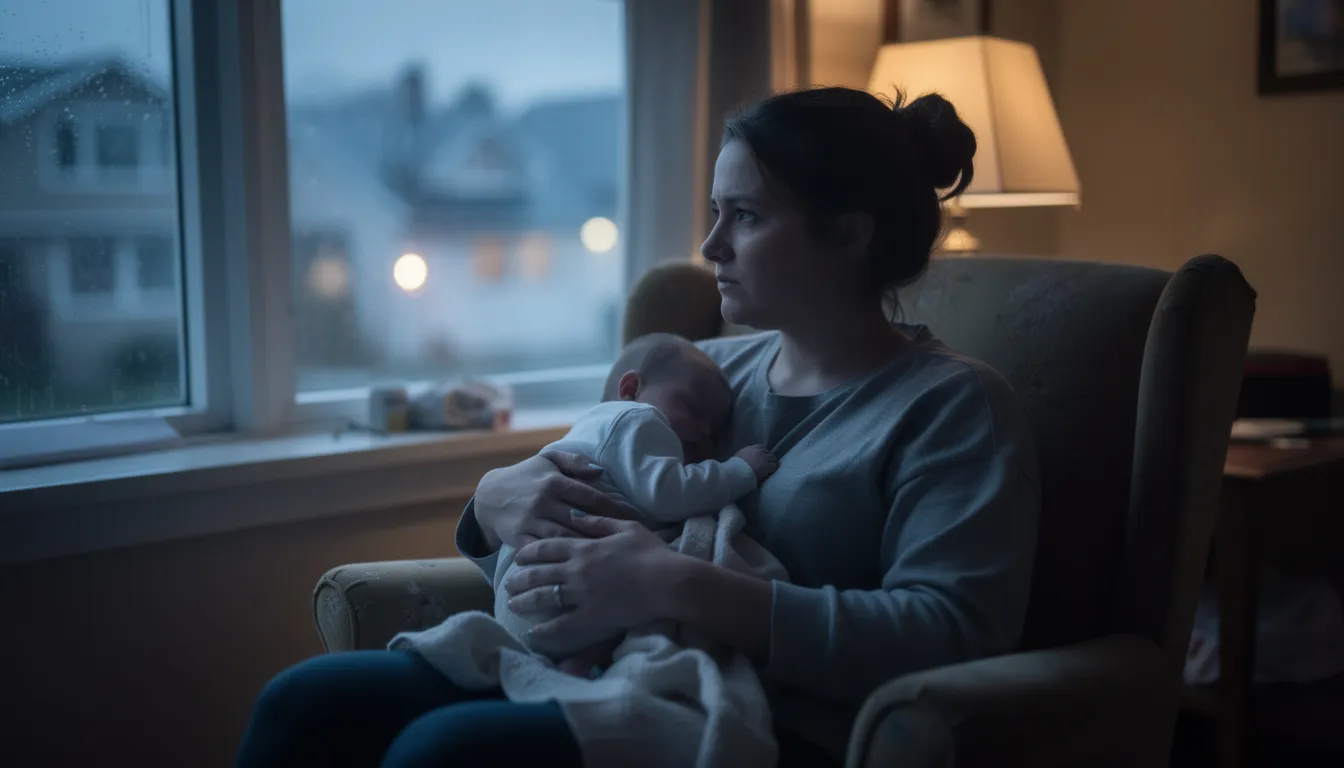
Imagine a parent who loves their baby with all their heart. But most days, they feel empty inside. Scared. Numb. They wonder, “What’s wrong with me? Why can’t I just be happy?”
This doesn’t make someone a bad parent. It means they may have postpartum depression.
Postpartum depression is a mood disorder that can start during pregnancy or anytime in the first year after giving birth. It affects many women, but it can also affect adoptive parents, surrogates, and sometimes non-birthing partners too.
Common Postpartum Depression Symptoms
Common postpartum depression symptoms include:
- Deep sadness that won’t lift
- Strong anxiety or worry that feels out of control
- Irritability and severe mood swings
- Guilt or feeling like a failure
- Trouble sleeping (even when the baby sleeps) or difficulty sleeping too much
- Changes in appetite
- Trouble bonding with your baby
- Feeling disconnected from people you love
Hormonal changes after giving birth play a big role. So do physical changes, lack of sleep, stressful life events, and emotional factors. But here’s what matters most: no one chooses to have PPD. It’s a medical condition, not a character flaw.
Baby Blues vs. Postpartum Depression
Feeling emotional after having a baby is very common. Most new parents cry more easily, feel overwhelmed, or have mood swings in the first few weeks. This is often called the baby blues or postpartum blues.
But baby blues and postpartum depression are not the same thing.
Baby Blues |
Postpartum Depression |
|---|---|
| Starts 2-3 days after birth | Can start anytime in the first year |
| Lasts about 10-14 days | Lasts weeks, months, or longer |
| Mild mood swings and crying | Intense feelings that affect daily life |
| Usually fades on its own | Does not go away without support |
| Affects 80-85% of new parents | Affects about 1 in 7 new parents |
Here’s a simple rule: If your low mood lasts more than two weeks or keeps getting worse, it may be PPD—not baby blues.
Waiting to see if symptoms go away can let PPD settle in deeper. The longer you wait, the longer it may last.
Try this: Write down when your symptoms started. Note how you feel sad or anxious most days. Then share that timeline with a healthcare provider or our mental health team. A simple screening conversation can help sort out whether it’s baby blues or something more.
How Long Does PPD Last Without Treatment?
Let’s be direct: untreated postpartum depression can last many months. In some cases, it can last several years after childbirth.
Some parents feel a bit better at times. Maybe they have a good day here and there. But the sadness, fear, or numbness keeps coming back—long past the baby’s first birthday.
Research on Long-Term Postpartum Depression
Studies give us a clearer picture of what happens when PPD is left untreated:
- A large study from 2020 followed over 4,800 women for three years after they gave birth
- About 5% had high maternal postpartum depressive symptoms that lasted the entire three years
- For some, symptoms actually got worse over time instead of better
- The disease control and prevention research also shows that 7.2% of women still had depressive symptoms at 9 to 10 months after giving birth
Untreated postpartum depression does not follow a neat schedule. For some people, it slowly fades. For others, it stays steady or gets worse. And without appropriate treatment, perinatal depression can turn into long-term depression that sticks around even after the postpartum period ends.
The bottom line? Getting help early usually shortens how long PPD lasts. It makes recovery gentler for both you and your baby.
What Can Make PPD Last Longer or Get Worse?
Certain risk factors can stretch out PPD if it goes untreated. The more risk factors someone has, the heavier symptoms often feel—and the slower they lift without professional care.
Common risk factors include:
- A history of depression, anxiety, or bipolar disorder
- Previous postpartum depression after a previous pregnancy
- Difficult pregnancy or birth (emergency C-section, NICU stay, or traumatic delivery)
- Little emotional or practical support from partner or family members
- Relationship conflict, single parenting, or partner violence
- Money stress, job loss, or housing problems
- Chronic health conditions like diabetes or thyroid problems
- Using alcohol or drugs to “cope” instead of getting help
- Family history of mental disorders or depression
- Younger maternal age or lower marital status stability
- Complications with breastfeeding
These lifestyle factors and life circumstances don’t cause PPD by themselves. But they can make symptoms heavier and longer-lasting.
Even if you don’t have any of these risk factors, PPD can still happen. And it can still last a long time if ignored. That’s why routine screening and reaching out for help matters so much.
How Long Does PPD Last With Help?
Here’s the hopeful part: with support, many parents start to feel real relief in weeks to months.
There’s no single “expiration date” for PPD. But treatment often makes symptoms:
- Less intense day-to-day
- Easier to manage and cope with
- Shorter in total length
Treatment Options for PPD
Treatment Type |
What It Does |
|---|---|
| Talk therapy (like cognitive behavioral therapy) | Helps change unhelpful thoughts and build coping skills |
| Antidepressant medications | Balances brain chemistry; many are safe while breastfeeding |
| Group therapy or support groups | Connects you with other parents going through similar struggles |
| Newer PPD-specific treatments | Targets postpartum depression directly when available |
Combining therapy, healthy sleep habits (getting as much sleep as possible), and social support often gives the best and fastest results.
Jasmine’s story: Jasmine started experiencing postpartum depression around 4 months after her child’s birth. She kept hoping it would pass. At 9 months postpartum, she finally reached out for help. She started talk therapy and worked with a mental health provider. Within a few months, she could laugh with her baby again. She said, “I wish I hadn’t waited so long.”
You don’t have to wait like Jasmine did. Connect with our team for an evaluation and personalized plan. Starting sooner usually means feeling better sooner.

How PPD Affects You, Your Baby, and Your Family Over Time
How long PPD lasts matters because it affects daily life, bonding, and even your child’s human development.
When PPD goes untreated for a long time, it can lead to:
- Feeling distant, hopeless, or easily overwhelmed for years
- Trouble bonding or difficulty bonding with your baby, which brings guilt and shame
- The baby picking up on stress and becoming fussier or more anxious
- Partner relationships suffering from constant tension
- Higher risk of behavioral problems and language development delays in children
- Family members feeling helpless or developing depression themselves
This isn’t about blame. PPD is an illness. These effects happen because of the illness—not because you’re a bad parent.
But here’s the hope: When parents get support, babies and families often bounce back well. Bonds can grow strong again. Women’s health improves. Daily tasks become manageable.
Getting help is an act of care for your whole family—not just for you.
If you’re a loved one reading this, you can play a key role. Encourage treatment. Help with chores and let the parent rest. Listen without judgment. Your support can help prevent postpartum depression from lasting longer than it needs to.
When to Get Help and What to Expect From Our Team
Seek help right away if:
- Your symptoms last more than two weeks
- You keep feeling worse instead of better
- You have thoughts of harming yourself or your baby
- You feel like your family would be better off without you
Emergency Warning Signs
Warning signs that need immediate medical attention:
- Feeling hopeless most days
- Not enjoying anything, even time with your baby
- Baby withdrawing from you or you withdrawing from baby
- Hearing or seeing things that others don’t (this could be postpartum psychosis—a rare but serious condition that needs medical attention right away)
- Feeling like you can’t complete daily tasks
- Having a depressed mood that won’t lift
If you’re in crisis, please call the 988 crisis lifeline or go to your nearest emergency room.
What to Expect From Our Mental Health Team
Your first visit is a calm, private conversation. We’ll ask about how you’ve been feeling and for how long. We may use simple screening questions like the Edinburgh Postnatal Depression Scale to understand your symptoms better.
Then we’ll talk about options: therapy, medication, support groups, or a mix. We’ll work with you to treat depression in a way that fits your life. We can also help you treat postpartum depression while continuing to care for your baby—including options that are safe while breastfeeding.
You won’t be judged. You won’t be blamed. Needing help does not mean you’re weak or unfit as a parent. It means you’re taking care of yourself so you can take care of your family.
Key Takeaways
- Untreated postpartum depression can last months or even years after giving birth
- Baby blues last about 2 weeks, but PPD lasts much longer and needs treatment
- Risk factors like family history, lack of support, and stressful life events can make PPD worse
- With help, most parents feel better within weeks to months
- PPD affects you, your baby, and your whole family—getting help is an act of love
- Postpartum depression treated early leads to faster, gentler recovery
Take the Next Step Today
PPD does not have to last for years. With the right support, you can feel like yourself again—and enjoy life with your child.
Developing postpartum depression is not something you choose. But reaching out for help? That’s a choice you can make right now.
Contact our team today. We’ve helped many women with postpartum depression find their way back to feeling like themselves.
You deserve to feel better. Your baby deserves a parent who feels supported. Your family deserves hope.
Don’t wait. Effective treatments exist. Help is just a phone call or click away.
Frequently Asked Questions About Postpartum Depression
1. What are the main risk factors for longer-lasting PPD?
PPD may last longer when certain challenges are present, such as a history of depression or anxiety, lack of emotional support, relationship stress, or a difficult pregnancy or birth. Health issues, financial stress, and sleep deprivation can also make symptoms harder to recover from without help.
2. How does untreated PPD affect the baby and family?
When PPD goes untreated, parents may feel distant, overwhelmed, or emotionally drained for a long time. This can affect bonding with the baby and create stress within the family, sometimes leading to relationship strain and developmental challenges for the child.
3. What are the most effective treatments for PPD?
Treatment often includes talk therapy, supportive counseling, and sometimes antidepressant medication. Many parents also benefit from support groups, better sleep routines, and strong social support, which together can help symptoms improve faster.
4. How to differentiate PPD from baby blues?
Baby blues usually begin a few days after birth and fade within two weeks. Postpartum depression lasts much longer, often weeks or months, and the feelings are more intense, affecting daily life and the ability to care for yourself or your baby.
5. When should you seek immediate help for PPD symptoms?
You should seek help right away if symptoms last longer than two weeks, keep getting worse, or include thoughts of harming yourself or your baby. Immediate support is especially important if you feel hopeless or unable to manage daily life.
Pin This For Later:
Postnatal Depletion
Meet the Team
Our Services
Supplements
A virtual healthcare clinic that helps postpartum mamas recover from postnatal depletion syndrome with a holistic approach.
Welcome to Postpartum Care USA


Get in touch