
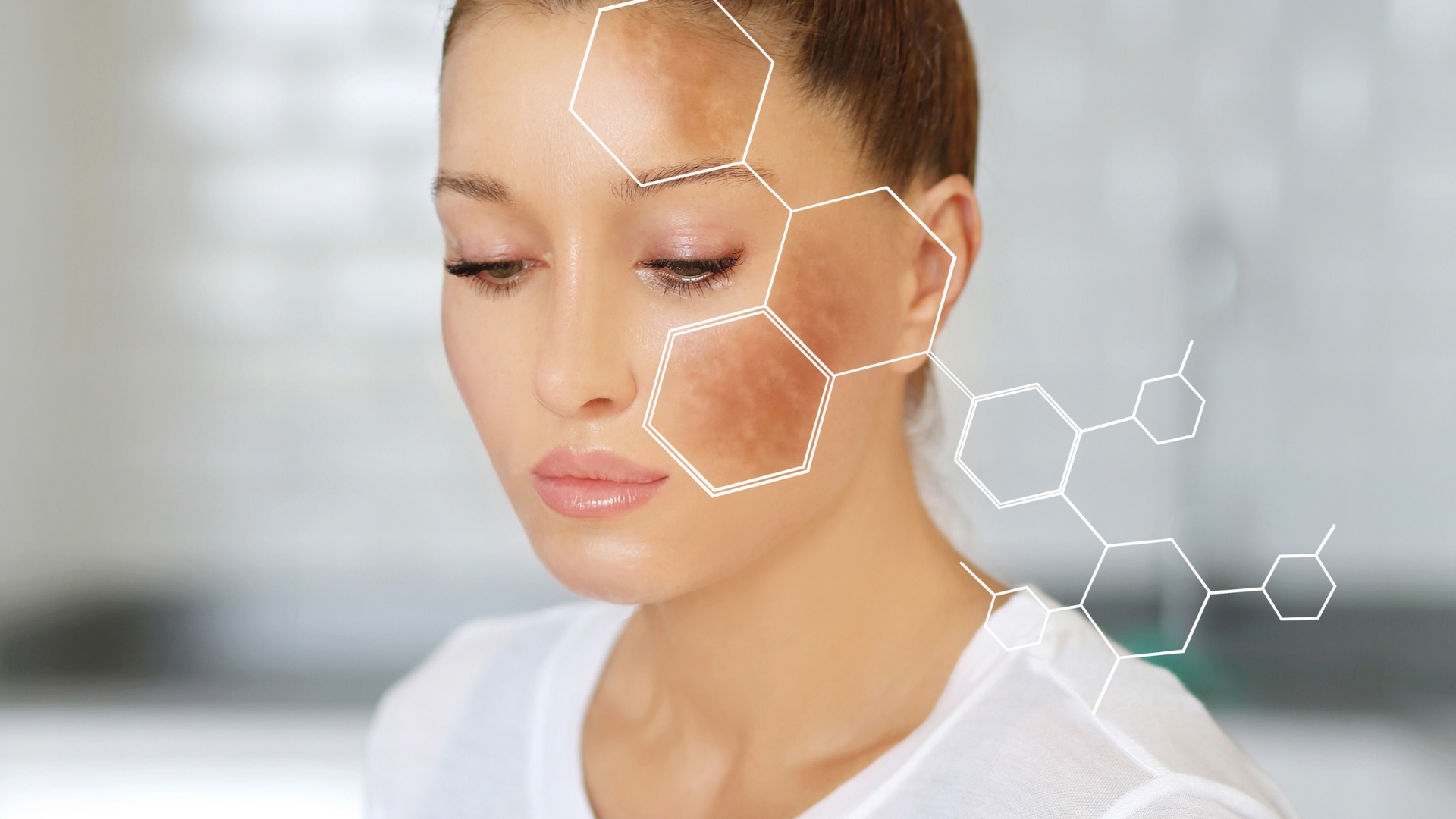
If you’re noticing those brown patches that showed up during pregnancy haven’t gone away after having your baby, you’re not alone. Melasma affects up to half of pregnant women, and for many new moms, these dark spots stick around even after delivery. People often call this skin change the “mask of pregnancy” because of how it looks on the face. It can be frustrating when you expect your skin to go back to normal on its own.
This guide is for new mothers experiencing persistent skin changes after pregnancy. Understanding postpartum melasma is important because it can affect self-esteem and quality of life for many women after childbirth.
This guide is for moms who are dealing with melasma after pregnancy. Knowing what postpartum melasma is can help you feel better and understand how to take care of it.
The good news? Postpartum melasma can be treated and managed. Some women see their dark spots fade naturally a few months after giving birth, but others find that treatments and good habits really help. Learning about your options will help you make smart choices to feel confident in your skin again.
In this guide, we’ll cover everything you need to know about melasma after pregnancy—from what causes it to how you can treat and prevent it.
What is Postpartum Melasma?
Melasma is a harmless condition that causes brown or gray-brown patches on the skin, typically appearing on the face, neck, and arms. Melasma is caused by the skin making too much pigment, known as melanin, often triggered by hormonal changes during pregnancy.
Melasma is a harmless skin condition that causes brown or gray-brown patches, usually on the face, neck, and arms. It happens because your skin makes too much pigment called melanin. This often happens because of hormone changes during pregnancy.
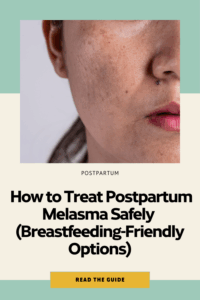
Melasma shows up as uneven, symmetrical patches on places like your cheeks, nose, forehead, and upper lip. The patches can be light tan, dark brown, or even grayish, depending on your skin type. These patches don’t have sharp edges like age spots do.
Doctors sometimes call pregnancy melasma “chloasma” or the “mask of pregnancy” because of how it looks and because it’s linked to hormone changes. It usually appears on skin that gets a lot of sun, which is why it’s mostly on the face.
Women with medium to darker skin tones get melasma more often than those with lighter skin. This is because their skin cells that make pigment (called melanocytes) are more active, so hormones and sun can cause more pigmentation changes.
Even though melasma looks noticeable, it’s not harmful. It won’t cause health problems or increase your risk of cancer. But it can make some women feel less confident, especially when they’re already adjusting to all the changes after having a baby.
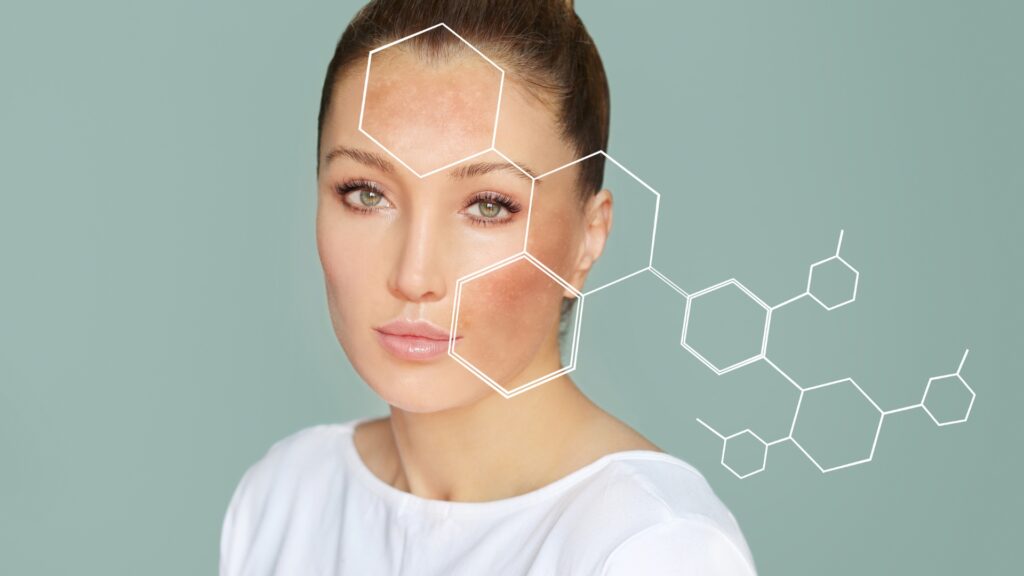
Will Postpartum Melasma Go Away on Its Own?
Many women wonder if their melasma will disappear without treatment. The answer is—it depends. For some, melasma starts to fade about three months after giving birth. This is because hormone levels, especially estrogen and progesterone, go back to normal. During pregnancy, these hormones get really high and make your skin produce more pigment.
Studies show that about half to 70%of women see their melasma get better naturally within the first year after having their baby. Some notice lightening just weeks after birth, while for others it takes a few months. If you’re breastfeeding, the hormone prolactin stays high, which might keep melasma around longer.
But complete disappearance without treatment is less common. Many women find their dark patches get lighter but don’t go away completely. Sometimes melasma affects both the top and deeper layers of skin, and the deeper parts are harder to treat.
If you had mild melasma on the surface of your skin, it’s more likely to fade on its own. But if it’s deep or widespread, it might stick around longer. Also, if you keep getting sun without protection, melasma can stay or even get worse.
Keep in mind that melasma can come back if you get pregnant again or start using birth control with estrogen. The pigment cells that became overactive during pregnancy stay sensitive to hormones, so they can react again.
Other pregnancy-related skin changes, like the dark line on your belly (called linea nigra), usually fade more completely and predictably after birth.
What Causes Melasma After Pregnancy?
Melasma happens because of a mix of hormones, genetics, and things in the environment. These factors can keep affecting your skin even after you’ve had your baby.
Hormones
The main cause is hormones like estrogen and progesterone. They tell your skin to make more melanin by turning on an enzyme called tyrosinase. During pregnancy, your body also makes more melanocyte stimulating hormones, which add to the pigment production.
After birth, estrogen and progesterone drop quickly, but the pigment cells might stay overactive for months or even years. If you’re breastfeeding, the hormone prolactin stays high and can keep affecting your skin.
It takes time for your body’s hormone cycle to get back to normal, especially if you’re nursing. During this time, your skin might keep making more pigment than usual.
Genetics
If your mom, sister, or other female family members had melasma during pregnancy, you’re more likely to get it too. This shows that genes play a big role. Some women have skin that reacts more strongly to hormones and sun, so they get more melasma and it can be harder to treat.
Sun and Environment
Sunlight is the biggest factor that can make melasma worse or last longer. UV rays, especially UVA, make your pigment cells more active and keep the dark patches from fading. Even small amounts of sun without protection can darken melasma.
Visible light, like blue light from screens and sunlight, can also make melasma worse. That’s why using sunscreens with iron oxides, which block visible light, can help.
Heat from cooking, saunas, or hot weather can make melasma darker too by increasing blood flow to your skin.
Skin Irritation
Using harsh skincare products, rubbing your skin too much, or wearing irritating makeup can cause inflammation. This inflammation can make your skin produce more pigment, making melasma worse.
Hormonal birth control with estrogen can also bring back or worsen melasma by creating a hormone environment similar to pregnancy.
Treatment Options for Persistent Postpartum Melasma
If your melasma doesn’t get better on its own after six to twelve months, there are treatments that can help lighten the dark spots and even out your skin tone. Treating melasma takes time and patience—it’s not a quick fix.
Seeing a dermatologist is a good idea because they can give you prescription treatments and professional procedures that you can’t get over the counter. They can check how deep your melasma is and make a treatment plan just for you.
Most treatments don’t completely remove melasma but can make it much lighter and less noticeable. It usually takes several months of using treatments regularly to see results. You might need to keep using some treatments to stop melasma from coming back.
Topical Medications
These are creams and gels that you put on your skin to reduce pigment and help your skin renew faster. Common ones include:
- Hydroquinone: A strong cream that stops pigment production. Usually used twice a day for a few months. Some people need to use it in cycles to avoid skin irritation.
- Combination creams: These mix hydroquinone, tretinoin (which helps skin renew), and a mild steroid to work better and reduce redness.
- Azelaic acid: A gentler cream that also blocks pigment and calms inflammation. Good for breastfeeding moms who can’t use hydroquinone.
- Retinoids: Like tretinoin, they speed up skin turnover but can irritate skin and aren’t always safe for breastfeeding.
- Kojic acid: A mild option that slowly lightens skin with regular use.
- Vitamin C and Niacinamide: Antioxidants that can help improve pigmentation over time.
Professional Treatments
If creams don’t work well enough, dermatologists might suggest procedures like chemical peels, laser treatments, or microneedling with radiofrequency. These help remove pigmented skin layers or target deeper pigment.
These procedures should only be done by experts because they carry risks like scarring or making pigmentation worse, especially in darker skin tones. Many doctors avoid aggressive treatments during breastfeeding because of safety concerns.
How to Prevent Postpartum Melasma
Stopping melasma from getting worse or coming back means protecting your skin and avoiding triggers.
Sun Protection
Sun protection is the most important step. UV rays cause melasma and stop it from fading.
- Use a broad-spectrum sunscreen with SPF 30 to 50 every day. Look for sunscreens with iron oxides to block visible light too.
- Apply sunscreen generously about 15-20 minutes before going outside.
- Reapply every two hours, especially if you’re sweating or swimming.
- Wear wide-brimmed hats and sunglasses to protect your face.
- Stay in the shade during peak sun hours (10 a.m. to 2 p.m.).
- Wear protective clothing like long sleeves and pants when outside for a long time.
- Remember to protect your skin all year, even on cloudy days (source).
Gentle Skincare
Use mild, fragrance-free cleansers and moisturizers to keep your skin healthy. Avoid scrubs or harsh products that can irritate your skin.
Don’t wax areas with melasma because it can cause inflammation and make pigmentation worse. Try other hair removal methods like threading or laser hair removal after talking to your doctor.
When to See a Dermatologist
If your melasma lasts more than six months after birth, gets worse, or affects how you feel about yourself, it’s time to see a skin doctor.
Dermatologists can offer stronger treatments, help figure out what’s causing your melasma, and create a plan that fits your skin type and lifestyle.
Getting help early usually means better results and less chance of melasma coming back.
Living with Postpartum Melasma
While treating melasma, you can use makeup to cover dark spots and feel more confident. Look for color-correcting products and makeup with SPF.
Remember, treatment takes time—usually a few months before you see big changes. Be patient and stick with your plan.
Joining support groups or talking to others who understand can help you feel less alone.
Taking care of yourself by managing stress, getting rest, and staying active (with sun protection) can also help your skin heal.
Melasma is very common, and with the right care and reducing sun exposure, you can improve your skin and feel good about your appearance again.
Your postpartum melasma doesn’t have to last forever. With patience, treatment, and good habits, you can manage it well and enjoy your beautiful skin after pregnancy.
Frequently Asked Questions for Melasma Postpartum
1. What causes postpartum melasma?
Postpartum melasma is mainly caused by hormonal changes during and after pregnancy. Higher levels of estrogen and progesterone make the skin produce extra pigment (melanin). Sun exposure and genetics can also make the dark patches worse or last longer.
2. What does postpartum melasma look like?
Postpartum melasma usually appears as brown or gray-brown patches on the face, especially on the cheeks, forehead, nose, and upper lip. The patches are often symmetrical and have uneven edges.
3. Does melasma fade after giving birth?
For many women, melasma starts to fade within a few months after delivery as hormone levels return to normal. However, some dark patches may take longer to lighten and might need treatment and good sun protection.
4. How is postpartum melasma treated safely?
Treatment often includes topical creams like azelaic acid, vitamin C, or prescription medications recommended by a dermatologist. Daily sunscreen and gentle skincare are essential to prevent the pigmentation from getting darker.
5. How can new moms prevent melasma worsening?
The best way to prevent melasma from worsening is by protecting your skin from the sun every day. Using broad-spectrum sunscreen, wearing hats, and avoiding harsh skincare products can help keep the patches from darkening.
Pin This For Later:
Postnatal Depletion
Meet the Team
Our Services
Supplements
A virtual healthcare clinic that helps postpartum mamas recover from postnatal depletion syndrome with a holistic approach.
Welcome to Postpartum Care USA



Get in touch