

No matter how much a woman prepares for pregnancy and birth, very few are told what can happen in the months after. Postpartum isn’t just about sleepless nights and learning your baby’s cues. It’s a massive physical and biochemical shift. And yet, many new moms are never told about postnatal nutrient depletion — the deep drain on vitamin and mineral stores that can quietly shape how they feel long after delivery.
Pregnancy, birth, blood loss, breastfeeding, and chronic sleep disruption all place enormous demands on the body. Nutrients are redirected to grow a baby, support milk production, and manage stress hormones. When those stores aren’t replenished, the result can look like exhaustion that won’t lift, brain fog that lingers, anxiety that feels unfamiliar, or a body that just doesn’t feel like “home” anymore. This is often called postpartum nutrition depletion or postpartum mineral depletion, and it’s far more common than most women realize.
In this guide, we’ll walk through what postnatal nutrient depletion actually is, the symptoms to watch for, what a postpartum depletion test may include, which postnatal depletion labs to ask for, how to support recovery through a postnatal depletion diet, and when it may be helpful to work with a postnatal depletion naturopath. You deserve to understand what’s happening in your body — and to know that feeling depleted isn’t a personal failure. It’s physiology.
Our Experience Supporting Moms with Postnatal Nutrient Depletion
Most of the women who come to our clinic don’t walk in saying, “I think I have postnatal nutrient depletion.” They come in saying things like:
- “I’m exhausted even when the baby sleeps.”
- “My anxiety feels different than it ever has before.”
- “My hair is falling out, my cycles are off, and I just don’t feel like myself.”
- “I thought I’d feel better by now.”
They’ve usually been told their labs are “normal” or that this is just part of motherhood. But when we dig deeper and run targeted postnatal depletion labs — looking at ferritin, vitamin D, B12, magnesium, thyroid markers, and mineral status — we often find significant postpartum mineral depletion and broader postpartum nutrition depletion patterns.
Once we begin replenishing what their bodies are actually missing (through a personalized postnatal depletion diet, targeted supplementation, nervous system support, and iron or mineral repletion when needed) things begin to shift. Energy stabilizes. Anxiety softens. Brain fog lifts. Healing accelerates. It’s not overnight, but it’s measurable and real.
The relief many moms feel isn’t just physical. It’s emotional. They finally understand that what they were experiencing wasn’t weakness. It was depletion. And depletion can be treated.
What Is Postnatal Nutrient Depletion?
Postnatal nutrient depletion is a state in which a mother’s vitamin and mineral stores become significantly reduced during pregnancy and the postpartum period.
While pregnancy is designed to prioritize the growing baby, that biological prioritization can leave the mother running on low reserves — especially if nutrients aren’t intentionally replenished after birth.
Depletion often begins during pregnancy. Your baby draws from your iron, magnesium, B vitamins, zinc, iodine, omega-3s, and other essential nutrients to support growth and development. By the time delivery arrives, many women have already been operating at a deficit for months. Blood loss during birth can further reduce iron and mineral stores, deepening postpartum mineral depletion before recovery even begins.
After delivery, the demands don’t stop. Breastfeeding increases nutrient needs substantially, as vitamins and minerals are transferred into breast milk daily. Chronic stress — common in early motherhood — raises cortisol levels, which increases nutrient usage. Ongoing sleep disruption can impair digestion and absorption, making it harder for the body to rebuild what’s been lost. When meals are skipped or replaced with quick processed options, the gap widens.
You may hear this referred to as postpartum nutrition depletion or postpartum mineral depletion. These terms all describe the same underlying issue: the body’s nutrient stores have been stretched thin by the enormous demands of pregnancy, birth, and caring for a newborn. Without intentional repletion, those deficits can persist for months — sometimes years — shaping how a mother feels long after the six-week checkup.
Signs You May Be Experiencing Postpartum Nutrition Depletion
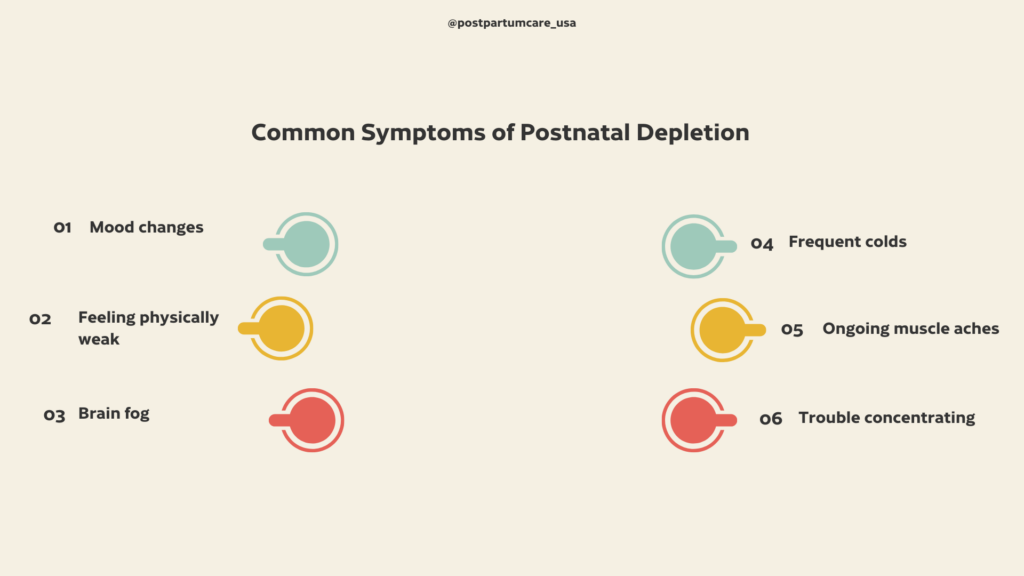
Common Symptoms of Postnatal Depletion
Postpartum nutrition depletion doesn’t always show up in obvious ways. Many of the symptoms overlap with what people call “normal new mom exhaustion.” But when nutrient stores are significantly reduced, the body begins to signal that it needs support — often through patterns that feel persistent, intense, or out of proportion.
One of the most common signs is postpartum fatigue that doesn’t improve with rest. While broken sleep certainly plays a role, depletion-related fatigue often feels deeper — like your body isn’t recharging even when you get a decent stretch of sleep. Brain fog, trouble concentrating, dizziness, and feeling physically weak can accompany this low-energy state.
Mood changes are another key indicator. Nutrients like iron, B vitamins, magnesium, zinc, and omega-3s are directly involved in neurotransmitter production and hormone balance. When levels are low, it can affect mental health, contributing to anxiety, irritability, tearfulness, or symptoms that overlap with postpartum depression. Emotional swings, heightened stress sensitivity, and what many women describe as profound emotional depletion may have a biochemical component that deserves evaluation.
You may also notice changes in your physical resilience. Frequent colds, slow wound healing, hair shedding beyond the expected postpartum phase, brittle nails, and ongoing muscle aches can signal impaired immune function and mineral depletion. If you feel like your body simply isn’t bouncing back — physically or emotionally — it may be worth looking beyond “normal postpartum adjustment” and considering whether nutrient depletion is part of the picture.
Postpartum Mineral Depletion: The Hidden Piece
When we talk about postpartum mineral depletion, we’re talking about the quiet but powerful loss of foundational nutrients that regulate nearly every system in the body. Vitamins get a lot of attention, but minerals are often the missing piece in postpartum recovery. And when they’re low, the symptoms can feel overwhelming.
Let’s break down why these specific minerals matter so much:
- Iron supports oxygen delivery to every cell in your body. Blood loss during birth can significantly reduce iron stores, leading to fatigue, dizziness, hair loss, and low mood. Without adequate iron, true energy production simply can’t happen.
- Magnesium is essential for nervous system stability, muscle relaxation, blood sugar regulation, and sleep quality. Low magnesium is commonly associated with anxiety, irritability, headaches, and that “wired but exhausted” feeling many postpartum moms describe.
- Zinc plays a major role in immune function, wound healing, hormone balance, and gut health. Zinc depletion can slow healing from delivery, increase susceptibility to illness, and affect mood regulation.
- Selenium supports thyroid function and protects cells from oxidative stress. Since thyroid changes are common postpartum, selenium status can influence how well your metabolism and mood stabilize after birth.
- Iodine is critical for thyroid hormone production. Breastfeeding increases iodine demands, and insufficient intake can affect both maternal thyroid health and infant development.
- Potassium and sodium balance help regulate fluid balance, blood pressure, nerve signaling, and adrenal function. Chronic stress and sleep deprivation can disrupt this balance, contributing to lightheadedness, fatigue, and stress intolerance.
Why do these minerals matter so much? Because they directly influence:
- Nervous system stability
- Thyroid function
- Energy production
- Mood regulation
- Sleep quality
When mineral levels are depleted, the nervous system becomes more reactive, stress tolerance drops, and symptoms like persistent anxiety and exhaustion can intensify. Many cases of ongoing postpartum fatigue are less about motivation and more about underlying nutrient deficiencies that haven’t been addressed.
Rebuilding mineral stores requires consistent nutrient intake, especially from nutrient dense foods like red meat, leafy greens, bone broth, seeds, legumes, seafood, and properly prepared whole foods. Supporting gut health is equally important, since absorption plays a major role in correcting deficiencies.
For many women, postpartum mineral depletion is the hidden driver behind feeling physically and emotionally depleted long after delivery. Identifying and replenishing these minerals can dramatically change the trajectory of postpartum recovery.
Postpartum Depletion Test: How Do You Find Out What Your Nutrient Levels Actually Are?
If you suspect depletion, the next logical question is: How do I actually measure this?
A true postpartum depletion test is not a single lab value or quick screening. There is no one-size-fits-all depletion test. Nutrient depletion after giving birth is multi-layered, and testing needs to be comprehensive to uncover what’s really going on beneath the surface.
At Postpartum Care USA, we are the only clinic dedicated solely to postpartum care. That focus matters. Because we work exclusively with modern mothers, we know what to look for — and what often gets missed. Many primary care providers and OB/GYNs are excellent at acute care, but standard postpartum visits are typically limited to checking incision healing, bleeding, and basic mood screening. Deep nutrient evaluation is rarely included unless something is severely abnormal.
When we evaluate for depletion, we look at patterns — not just isolated numbers. Common lab markers we assess include:
- Ferritin (iron storage) — low ferritin is one of the most common drivers of postpartum fatigue and iron deficiency symptoms, even when hemoglobin appears “normal.”
- Vitamin D — essential for immune health, mood stability, and hormone regulation.
- Vitamin B12 and folate — critical for energy production and nervous system support.
- Magnesium (RBC if possible) — gives a more accurate picture of intracellular mineral status.
- Zinc — supports immune function, healing, and thyroid health.
- Thyroid panel (TSH, Free T4, Free T3, antibodies) — thyroid shifts are common postpartum and can dramatically impact wellbeing.
- Cortisol patterns — to assess stress response and adrenal regulation.
- Comprehensive metabolic panel — to evaluate liver function, electrolytes, and overall metabolic balance.
This broader lens allows us to identify subtle but significant imbalances that impact energy, mood, hormone balance, and overall wellbeing. Iron deficiency, low magnesium, and suboptimal thyroid function are especially common in mothers after giving birth — yet often go undiagnosed because testing wasn’t thorough enough.
You deserve more than reassurance that everything is “within range.” You deserve answers that explain how you feel. A properly structured postpartum depletion test helps move you from guessing to clarity — and from surviving to truly recovering.
Postnatal Depletion Labs: What to Ask For
Even if you’re not working with a specialist, you can still advocate for deeper testing. Asking for the right postnatal depletion labs can provide clarity and help move your recovery forward.
Postnatal Depletion Labs to Discuss With Your Provider
If you’re experiencing persistent fatigue, mood changes, hair loss, dizziness, or ongoing anxiety, consider discussing the following labs:
- Iron panel + ferritin – Ferritin reflects iron storage and is one of the most common missed causes of postpartum fatigue and iron deficiency symptoms.
- Vitamin D (25-OH) – Critical for immune function, mood stability, and hormone support.
- Vitamin B12 + methylmalonic acid (MMA) – Helps assess functional B12 status, especially if levels appear borderline.
- Thyroid panel (TSH, Free T4, Free T3, antibodies) – Thyroid fluctuations are common after pregnancy and can significantly affect energy and mood.
- Comprehensive metabolic panel (CMP) – Provides insight into liver function, electrolytes, and overall metabolic health.
- CRP (C-reactive protein) – A marker of inflammation that may signal underlying stress on the body.
- RBC magnesium (if available) – A more accurate assessment of intracellular magnesium status than standard serum magnesium.
These labs don’t replace clinical judgment, but they provide objective data that can guide next steps. When interpreted in the context of your symptoms, postnatal depletion labs help shape a personalized recovery plan — whether that includes dietary changes, targeted supplementation, hormone support, or further evaluation.
The goal isn’t just to get numbers “in range.” It’s to understand what your body needs in order to truly rebuild.
The Postnatal Depletion Diet: Rebuilding from the Inside Out
A thoughtful postnatal depletion diet focuses on replenishing what pregnancy and birth have drawn from the mother’s body. This isn’t about restriction or cutting foods out — it’s about restoring what’s been used up. Supporting your nutritional needs consistently can help stabilize energy levels, support hormone repair, and reduce inflammation during postpartum recovery.
Protein comes first. Aim for 20–30 grams per meal to support tissue repair, immune health, and neurotransmitter production. Eggs, poultry, beef, Greek yogurt, lentils, and protein-rich smoothies can help rebuild strength and steady blood sugar.
Next, prioritize iron-rich foods like red meat, lentils, and spinach, especially if blood loss was significant. Pair these with vitamin C sources to enhance absorption. Add in mineral-rich foods such as bone broth, leafy greens, nuts, seeds, and a moderate amount of sea salt (if tolerated) to support nervous system stability and adrenal balance.
Finally, don’t forget healthy fats, especially omega-3 fatty acids from fatty fish, flax, chia, or high-quality supplements. Omega-3s help repair cell membranes, support brain health, and reduce inflammation. Eating regularly — every 3–4 hours — helps stabilize blood sugar, protect adrenal function, and support steady energy levels. The goal isn’t perfection. It’s consistent replenishment so your body has the raw materials it needs to heal.
Working with a Postnatal Depletion Naturopath
If you’ve been told your labs are “normal” but you still feel off, it may be time to look beyond routine care. Working with a postnatal depletion naturopath offers a different lens — one that centers maternal health long after the six-week checkup.
A postnatal depletion naturopath uses a functional testing approach. Instead of relying on a single marker, they evaluate patterns across labs, symptoms, stress levels, digestion, sleep, and hormone rhythms. This allows for a true professional evaluation of what your body needs — not just whether you fall inside a broad reference range.
From there, care becomes personalized. Rather than recommending a generic multivitamin, a practitioner can create personalized supplement protocols that address your specific gaps in essential vitamins and minerals. This may include iron repletion for iron deficiency, magnesium support for nervous system stability, targeted B vitamins, thyroid nutrients, or adrenal support. The goal isn’t to stack supplements — it’s to restore balance strategically.
Root cause support is central to this model. Instead of masking symptoms, care focuses on rebuilding nutrient stores, improving gut absorption, supporting hormone balancing, and regulating the nervous system. Stress physiology is addressed through nervous system regulation techniques that calm cortisol patterns and support sleep. When mineral and vitamin stores are replenished, many women notice improvements in energy, mood, immune resilience, and overall wellbeing.
This approach looks different from a standard OB visit, which often focuses on incision healing and contraception planning. It differs from a quick antidepressant prescription offered without deeper testing. And it’s very different from being told to simply “wait it out.” While medication absolutely has its place, it should not be the only tool offered when depletion may be driving symptoms.
Collaborative care is key. A postnatal depletion naturopath can work alongside your OB, primary care provider, or mental health professional to ensure comprehensive support. Addressing nutrient gaps early not only supports recovery now — it helps prevent postnatal depletion from lingering into future pregnancies or long-term health challenges.
You deserve care that looks at the full picture of maternal health. When your body is supported at the root level, healing becomes possible in a way that feels steady and sustainable.
How Long Does It Take to Recover from Postnatal Nutrient Depletion?
Recovery from postnatal nutrient depletion depends on how depleted you are, how long it’s been going on, and how consistently you’re rebuilding.
- Mild depletion: Many women begin to feel noticeably better within 4–8 weeks with targeted nutrition, minerals, and lifestyle support.
- Moderate depletion: When symptoms have been present for months, recovery often takes 3–6 months of steady replenishment.
- Severe depletion: If deficiencies are significant or layered with thyroid, adrenal, or gut dysfunction, healing can take 6–12 months.
Recovery is not linear. You may have strong weeks followed by dips, especially with sleep disruption, stress, or illness. The key is consistency — nourishing your body daily, supporting mineral balance, and adjusting your plan as labs and symptoms improve. Slow, steady rebuilding leads to lasting results.
You don’t have to white-knuckle your way through the postpartum period.
You grew a human.
You experienced one of the most dramatic hormonal shifts of your life.
You likely lost blood.
You may be breastfeeding around the clock.
You are almost certainly sleep deprived.
If you feel exhausted, anxious, foggy, or unlike yourself, that is not a character flaw. It’s biology. The mother’s body goes through profound metabolic and hormonal changes during pregnancy and postpartum. Depletion is common. Struggling does not mean you are weak — it means your system has been under demand.
That said, you also don’t have to white-knuckle your way through it.
When to Seek Additional Support
Reach out for professional support if:
- Symptoms persist beyond 3–6 months without meaningful improvement
- Anxiety or depression feels severe, intrusive, or overwhelming
- Hair loss is extreme or continues far beyond the typical shedding window
- You experience fainting, persistent dizziness, or heart palpitations
- You’ve made nutrition and lifestyle changes with little to no improvement
Sometimes depletion is deeper than diet alone can fix. Sometimes hormones, thyroid shifts, iron levels, or nervous system dysregulation need targeted care. Getting help is not dramatic — it’s responsible. You deserve support that looks at the full picture of your health.
XII. Gentle Conclusion + Call to Action
Postnatal nutrient depletion is common, but it’s not something you have to live with. With the right testing, targeted nutrition, and personalized support, your energy, mood, and overall wellbeing can improve.
If you’re wondering whether depletion could be behind what you’re feeling, we invite you to take our quick assessment to see if you qualify for our postpartum program. It’s a simple first step toward real answers and a recovery plan designed specifically for you.
Frequently Asked Questions about Postnatal Nutrient Depletion
What is postnatal nutrient depletion?
Postnatal nutrient depletion is a state where a mother’s vitamin and mineral stores become significantly reduced during pregnancy and postpartum. Growing a baby, blood loss during birth, breastfeeding, stress, and sleep deprivation all increase nutrient demand, which can leave you feeling exhausted, foggy, or emotionally off.
What is a postpartum depletion test?
A postpartum depletion test isn’t one single lab. It refers to a comprehensive set of labs that evaluate iron stores, vitamin levels, thyroid function, inflammation, and other markers to identify underlying deficiencies contributing to symptoms.
How do I know if I have postpartum mineral depletion?
Common signs include persistent fatigue, anxiety, hair loss, dizziness, poor sleep, muscle tension, and mood swings. While symptoms can raise suspicion, lab testing is the most reliable way to confirm postpartum mineral depletion.
What labs check for postnatal depletion?
Common labs include ferritin and a full iron panel, vitamin D (25-OH), B12, thyroid panel (TSH, Free T4, Free T3, antibodies), comprehensive metabolic panel, CRP, and RBC magnesium if available. Testing should be interpreted in context of your symptoms.
Can diet alone fix postpartum depletion?
For mild depletion, improving diet can make a significant difference. However, moderate to severe deficiencies often require targeted supplementation and deeper evaluation to fully rebuild nutrient stores.
How long does it take to recover from postpartum nutrition depletion?
Mild depletion may improve within 4–8 weeks. Moderate cases often take 3–6 months, and more severe depletion can require 6–12 months of consistent support. Recovery is gradual and not always linear.
Pin This For Later:

Postnatal Depletion
Meet the Team
Our Services
Supplements
A virtual healthcare clinic that helps postpartum mamas recover from postnatal depletion syndrome with a holistic approach.
Welcome to Postpartum Care USA



Get in touch