
After giving birth, many women expect physical recovery to focus on healing from delivery wounds and adjusting to sleep deprivation. What they don’t expect is their immune system to seemingly turn against them, leaving them vulnerable to infections, autoimmune flares, and persistent illness that can last months or even years.
The postpartum period represents one of the most dramatic immune system transitions in a woman’s life. During pregnancy, your body suppresses immune function to protect the developing baby. But once you’ve given birth, this carefully orchestrated immunosuppression must reverse itself – and this process doesn’t always go smoothly (Source).
If you’re experiencing frequent infections, new food sensitivities, chronic fatigue, or autoimmune symptoms after having a baby, you’re not alone. Research suggests that 30-50% of women experience some form of immune-related issues during the postpartum period. The good news? Understanding what’s happening in your body is the first step toward recovery.
What Is Postpartum Immune Dysfunction?
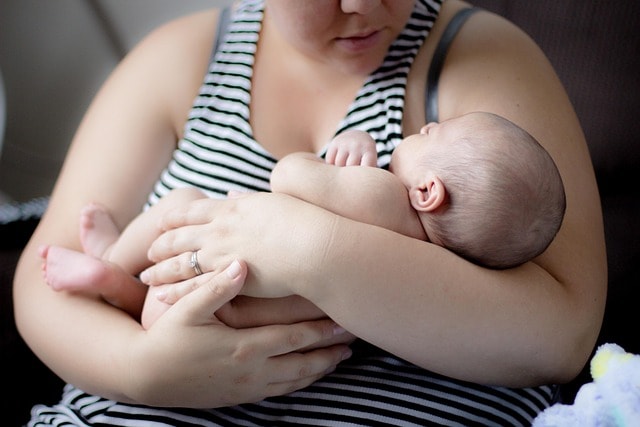
After having a baby, your immune system goes through a massive shift. During pregnancy, your body intentionally weakens parts of your immune system to protect your baby so your body doesn’t see your baby as a “foreign invader.”
Once you deliver, your body has to flip that switch back. It tries to rebuild strength, fight off germs again, and balance inflammation. This process can take 3–6 months—or longer for some women—and during that time, your immune system can feel a little “off.”
Think of it like this: your immune system has been in sleep mode for almost a year, and now it’s trying to reboot while you’re running on no sleep, low nutrients, and lots of stress. That combination can make you more likely to catch colds, feel run down, or experience autoimmune flare-ups.
Dr. Oscar Serrallach, who studies what he calls maternal depletion syndrome, explains that pregnancy, birth, and breastfeeding can leave moms physically and nutritionally depleted. Without proper support, your immune system can stay compromised for years.
Research shows that 30–50% of women experience immune-related issues after giving birth, but most are told it’s “just normal postpartum.” It’s not. Your body is working overtime to recover and protect you. With the right nutrients, rest, and support, your immune system can heal and get back to full strength.
Postpartum Immune System and Postpartum Depression Symptoms
The symptoms of postpartum immune dysfunction can be wide-ranging and often develop gradually, making them easy to dismiss as normal postpartum fatigue or stress. However, recognizing these signs is crucial for early intervention and faster recovery.
Frequent Infections
Many postpartum women find themselves battling recurring infections that they never experienced before pregnancy. Common examples include:
- Urinary tract infections (UTIs) that keep returning despite treatment
- Mastitis and other breast infections, especially in breastfeeding mothers
- Respiratory infections like colds, sinus infections, or bronchitis
- Skin infections and slow-healing wounds
- Yeast infections and bacterial vaginosis
Autoimmune Condition Flares
The postpartum period is notorious for triggering autoimmune conditions or causing existing ones to flare. Research shows that immune system alterations during this time can activate dormant autoimmune processes. Common conditions include:
- Postpartum thyroiditis, affecting 5-10% of women within the first year after delivery
- Rheumatoid arthritis flares or new onset
- Multiple sclerosis relapses
- Inflammatory bowel disease exacerbations
- New-onset autoimmune conditions that were previously dormant
New Allergies and Sensitivities
Many women develop food sensitivities, environmental allergies, or chemical sensitivities that weren’t present before pregnancy. This can include reactions to foods they previously tolerated well, increased sensitivity to environmental toxins, or new allergic reactions to common substances.
Impaired Wound Healing
Women experiencing postpartum immune dysfunction often notice that their C-section incisions, perineal tears, or other wounds heal more slowly than expected. This delayed healing is a direct result of compromised immune function affecting the body’s natural repair processes.
Chronic Fatigue and Persistent Illness
While some fatigue is expected with a newborn, postpartum immune dysfunction can cause an overwhelming, persistent exhaustion that doesn’t improve with rest. Women may feel like they’re constantly fighting off illness or never fully recover from minor infections.
Cognitive Issues and Brain Fog
Neuroinflammation resulting from immune dysfunction can cause significant cognitive symptoms, including difficulty concentrating, memory problems, mental fatigue, and the classic “mom brain” that extends far beyond normal sleep deprivation effects. In some cases, behavioral abnormalities may also be present, serving as potential indicators of underlying immune and neuropsychological disturbances in postpartum women.
What Causes Postpartum Immune System Changes?
Understanding the root causes of postpartum immune dysfunction is essential for developing an effective recovery plan. Multiple factors converge during the postpartum period to create the perfect storm for immune system challenges. Studies on pregnant women and pregnant patients have highlighted how immune system changes during and after pregnancy contribute to postpartum immune dysfunction. In severe cases, immune dysfunction can increase the risk of maternal mortality.
Hormonal Fluctuations
The dramatic shift in reproductive hormones after delivery plays a central role in immune dysfunction. During pregnancy, high levels of progesterone and estrogen help maintain immune suppression. After birth, these hormone levels plummet rapidly while cortisol and prolactin increase, particularly in breastfeeding mothers. Immune activation can occur as a result of these hormonal changes, contributing to inflammatory responses. Immune system changes begin in early pregnancy, with a pro-inflammatory environment necessary for implantation, and continue through late pregnancy, where further immune and hormonal shifts prepare the body for labor and postpartum recovery, all of which can affect postpartum outcomes.
This hormonal chaos directly affects immune cell function. The sharp decline in progesterone and estrogen triggers a shift toward Th1 immune responses, which are more inflammatory. Meanwhile, elevated cortisol can suppress certain aspects of immune function while prolactin affects the production and function of various immune cells.
Nutrient Depletion
Pregnancy and breastfeeding place enormous nutritional demands on the maternal body. Key nutrients essential for immune function become depleted, including:
- Vitamin D, crucial for immune regulation and often deficient in postpartum women
- Zinc, essential for wound healing and immune cell function
- Iron, needed for energy production and immune cell proliferation
- B vitamins, particularly B12 and folate, important for immune cell development
- Omega-3 fatty acids, critical for controlling inflammation
The peripheral immune system plays a vital role in maintaining immune health during and after pregnancy, and nutrient deficiencies can impair its function. These nutrient deficiencies can persist for months or years if not actively addressed, leaving the immune system compromised and unable to function optimally.
Sleep Deprivation and Chronic Stress
Newborn care inevitably involves significant sleep disruption and chronic stress, both of which have profound impacts on immune function. Sleep deprivation suppresses immune cell activity, reduces antibody production, and impairs the body’s ability to mount effective immune responses.
Chronic stress from caring for a newborn, combined with the physical stress of recovery from childbirth, keeps cortisol levels elevated. While short-term cortisol elevation can be beneficial, chronic elevation suppresses immune function and increases inflammation throughout the body. Stress exposure during the postpartum period can further increase the risk of immune dysfunction, contributing to adverse health outcomes.
Breastfeeding Demands
While breastfeeding provides important benefits for both mother and baby, it also places additional demands on maternal immune resources. Breast milk production requires significant energy and nutrients, and the hormonal changes associated with breastfeeding can further affect immune function.
Research shows that exclusive breastfeeding can extend the period of immune dysfunction, particularly when combined with inadequate nutrition and sleep deprivation. This doesn’t mean women should avoid breastfeeding, but rather that they need additional support during this time.
Postpartum Thyroiditis
Postpartum thyroiditis deserves special mention as both a cause and consequence of immune dysfunction. This autoimmune condition affects 5-10% of women within the first year after delivery and can cause significant disruption to immune function, metabolism, and overall health.
The condition typically involves an initial hyperthyroid phase followed by hypothyroidism, though some women experience only one phase. Symptoms can include heart palpitations, anxiety, weight loss or gain, fatigue, and mood changes – all of which can further compromise immune function.
How Long Do Postpartum Immune Issues Last?
Every mama’s recovery looks a little different, but here’s what you can expect:
First 6–12 Weeks (Acute Phase):
This is when your immune system is working the hardest to “wake back up” after pregnancy. You may feel extra run down, get sick more often, or notice flare-ups of old symptoms. Sleep loss, stress, and nutrient depletion all make this phase tougher—but it’s also when the right support can make the biggest difference.
3–6 Months (Recovery Phase):
With good nutrition, supplements, and rest, most women start feeling more stable during this time. Hormones even out, energy improves, and your immune system begins to find balance again.
Up to 2–3 Years (Extended Issues):
If underlying issues like nutrient depletion, stress, or autoimmune conditions aren’t addressed, symptoms can linger much longer. Research shows some moms stay depleted for years without proper care.
Your recovery depends on several key factors:
- 🍼 Breastfeeding + nutrition: Breastfeeding uses extra nutrients—keep fueling your body.
- 😴 Sleep + stress: Quality rest and a calm environment support healing.
- 🍳 Nutrition: Replenish lost nutrients to rebuild strength.
- ❤️ Support: Accept help—physical, emotional, and practical.
- 🩺 Health history: Pre-existing thyroid or autoimmune conditions can extend recovery.
The bottom line? With the right support, most mamas regain immune balance within a few months—but lasting wellness comes from truly nourishing your body long-term.

Postpartum Immune Recovery Strategies
Recovering from postpartum immune dysfunction requires a comprehensive approach that addresses the multiple factors contributing to compromised immune function. The key is to support your body’s natural healing processes while providing the nutrients and lifestyle conditions necessary for optimal immune function. Both healthy postpartum and affected women have been studied to identify effective recovery strategies, and several studies have examined immune function in postpartum women to provide evidence-based recommendations.
1. Targeted Nutrient Replenishment
Nutrient deficiencies are among the most common and easily addressed causes of postpartum immune dysfunction. The demands of pregnancy, childbirth, and breastfeeding deplete essential nutrients faster than they can typically be replaced through diet alone, making targeted supplementation crucial for many women.
Vitamin D3: The Immune System’s Master Regulator Vitamin D deficiency is extremely common in postpartum women and has profound effects on immune function. This hormone-like vitamin regulates immune cell activity, controls inflammation, and is essential for both innate immunity and adaptive immunity. Adequate vitamin D also supports the peripheral immune system, which undergoes significant changes during and after pregnancy.
Research shows that adequate vitamin D levels can reduce the risk of autoimmune diseases, improve resistance to infections, and support overall immune system function. Most postpartum
women benefit from 2000-4000 IU of vitamin D3 daily, though individual needs may vary based on baseline levels and sun exposure.
Testing vitamin D levels through a 25-hydroxyvitamin D blood test is recommended to determine optimal dosing. Target levels should be between 30-50 ng/mL for optimal immune function.
Zinc: Essential for Immune Cell Function Zinc deficiency significantly impairs immune function and wound healing, both critical concerns for postpartum women. This mineral is essential for the development and function of immune cells, including T cells, B cells, and natural killer cells.
Zinc requirements increase during pregnancy and breastfeeding, and deficiency is common among postpartum women. Symptoms of zinc deficiency can include slow wound healing, frequent infections, hair loss, and impaired immune response.
Most postpartum women benefit from 15-30mg of elemental zinc daily, preferably in a chelated form for better absorption. Zinc should be taken on an empty stomach if tolerated, or with food if it causes nausea.
Vitamin C: Antioxidant Protection and Immune Support Vitamin C is crucial for immune cell function, collagen synthesis for wound healing, and protection against oxidative stress. The demands of pregnancy, childbirth, and breastfeeding can significantly deplete vitamin C stores.
A daily dose of 1000mg of vitamin C can help support immune function, improve wound healing, and provide antioxidant protection during the stressful postpartum period. Vitamin C is water-soluble and generally well-tolerated, even at higher doses.
Omega-3 Fatty Acids: Anti-Inflammatory Powerhouses The anti-inflammatory effects of omega-3 fatty acids, particularly EPA and DHA, are crucial for immune system balance during the postpartum period. These essential fats help resolve inflammation, support brain health, and may help prevent postpartum depression.
Pregnancy and breastfeeding significantly deplete maternal omega-3 stores, particularly DHA. A high-quality fish oil supplement providing 2-3g of combined EPA and DHA daily can help restore optimal levels and support immune function.
Probiotics: Supporting Gut Immune Health The gut contains approximately 70% of the body’s immune system, making gut health crucial for overall immune function. Pregnancy, childbirth, antibiotic use, and stress can all disrupt the gut microbiome, compromising immune function.
A high-quality probiotic supplement containing multiple strains of beneficial bacteria can help restore gut microbiome balance and support immune function. Look for products containing Lactobacillus and Bifidobacterium strains with at least 10-50 billion CFUs.
2. Managing Autoimmune Flares
The postpartum period is a high-risk time for autoimmune condition development and flares due to the dramatic changes in immune system function. Postpartum relapse of autoimmune diseases, such as multiple sclerosis or rheumatoid arthritis, can occur as a result of immune system shifts after childbirth. Recognizing symptoms early and implementing appropriate management strategies can prevent minor issues from becoming major health problems.
Early Recognition of Postpartum Thyroiditis Postpartum thyroiditis is one of the most common autoimmune conditions to develop after childbirth, affecting 5-10% of women within the first year. Early recognition is crucial because the condition can significantly impact energy, mood, weight, and overall health.
Early symptoms may include:
- Heart palpitations or rapid heart rate
- Unexplained anxiety or irritability
- Difficulty sleeping despite exhaustion
- Unexplained weight loss or gain
- Excessive sweating or heat intolerance
- Tremors or shakiness
- Hair loss beyond normal postpartum shedding
If you experience these symptoms, work with a healthcare provider familiar with postpartum thyroiditis to get appropriate testing, including TSH, free T3, free T4, and thyroid antibodies.
Anti-Inflammatory Diet Protocols Dietary interventions can significantly impact autoimmune activity and immune system function. Immune activation, characterized by increased inflammation and cytokine production, can contribute to autoimmune flares. An anti-inflammatory diet focusing on whole foods while eliminating common inflammatory triggers can help calm immune system dysfunction.
Key principles include:
- Emphasizing nutrient-dense whole foods
- Including plenty of omega-3 rich foods like fatty fish, walnuts, and flaxseeds
- Consuming antioxidant-rich fruits and vegetables
- Eliminating or reducing processed foods, sugar, and refined carbohydrates
- Considering elimination of common triggers like gluten, dairy, or nightshades if sensitivities are suspected
Some women benefit from more structured approaches like the Autoimmune Protocol (AIP) diet, which systematically eliminates potential triggers and then reintroduces them to identify individual sensitivities.
Stress Reduction and Mind-Body Approaches Chronic stress is a major trigger for autoimmune activity and can perpetuate immune dysfunction. Implementing stress reduction techniques is crucial for managing autoimmune flares and supporting overall immune health.
Effective approaches include:
- Meditation and mindfulness practices, even just 10-15 minutes daily
- Gentle yoga or stretching routines appropriate for postpartum recovery
- Deep breathing exercises that can be done while feeding or holding baby
- Progressive muscle relaxation techniques
- Regular time in nature when possible
Working with Specialists Women with existing autoimmune conditions or those developing new symptoms should work with healthcare providers experienced in autoimmune disease management during the postpartum period. This is especially important for pregnant patients, as pregnancy and the postpartum period require specialized care to address unique disease manifestations and treatment considerations. This may include:
- Rheumatologists familiar with pregnancy and postpartum management
- Endocrinologists experienced with postpartum thyroid conditions
- Functional medicine practitioners who take a whole-body approach
- Mental health professionals experienced with the intersection of autoimmune conditions and postpartum mood disorders
Who Is at Risk for Flares? Immune dysregulation is a key cause of autoimmune flares in the postpartum period. Risk factors for developing flares include a personal or family history of autoimmune disease, complications during pregnancy, immune dysregulation, and environmental stressors.

3. Sleep and Stress Optimization
While perfect sleep isn’t realistic with a newborn, optimizing sleep quality and implementing effective stress management strategies are crucial for immune recovery. Even small improvements in these areas can have significant impacts on immune function. Notably, stress exposure during the postpartum period is a recognized risk factor for immune dysfunction and can increase vulnerability to mood disorders.
Sleep Hygiene Strategies for New Mothers Quality sleep is essential for immune function, but traditional sleep hygiene advice often isn’t realistic for new mothers. Instead, focus on strategies that work within the constraints of newborn care:
Optimize Sleep Environment: Keep the bedroom cool, dark, and quiet. Use blackout curtains, white noise machines, or earplugs if helpful. Consider room-sharing arrangements that allow for easier nighttime feeding while maintaining sleep quality.
Strategic Napping: When possible, nap when the baby naps. Even 20-30 minute rest periods can help restore immune function and improve energy levels.
Sleep Timing: Try to maintain consistent sleep and wake times when possible. If night sleep is highly fragmented, consider going to bed earlier to increase total sleep time.
Limit Screen Time: Avoid screens for at least an hour before intended sleep time, as blue light can interfere with melatonin production and sleep quality.
Chronic sleep deprivation and ongoing stress can also contribute to behavioral abnormalities, such as increased irritability, difficulty concentrating, or anxiety-like behaviors, which may signal underlying immune or neuropsychological disturbances.
Partner Support Systems Sharing nighttime responsibilities can significantly improve maternal sleep quality and reduce stress levels. Effective strategies include:
Night Feeding Rotation: If bottle feeding or combining breast and bottle feeding, partners can alternate night feedings. Even taking one feeding per night can provide meaningful sleep improvement.
Sleep Shifts: Partners can take responsibility for specific time periods, allowing each person to get longer stretches of uninterrupted sleep.
Weekend Support: Partners can take morning duties on weekends, allowing mothers to sleep later and recover from weekday sleep deprivation.
Household Task Division: Reducing other responsibilities can free up time and mental energy for rest and recovery.
Stress Management Techniques Chronic stress perpetuates immune dysfunction and can prevent recovery even when other interventions are in place. Practical stress management techniques that work for busy new mothers include:
Deep Breathing Exercises: Simple breathing techniques can be practiced anywhere and don’t require special equipment or dedicated time. Try the 4-7-8 technique: inhale for 4 counts, hold for 7, exhale for 8.
Mindfulness During Daily Activities: Practice mindful awareness during routine activities like feeding, bathing, or holding the baby. This can help reduce stress while still meeting baby’s needs.
Progressive Muscle Relaxation: This technique can be practiced while lying in bed and can help improve both stress levels and sleep quality.
Gratitude Practices: Simple gratitude exercises can help shift focus from stressors to positive aspects of the experience and have been shown to improve immune function.
Professional Help for Mental Health The connection between mental health and immune function is well-established. Postpartum depression, postpartum anxiety, and other postpartum mood disorders can both result from and contribute to immune dysfunction.
Warning signs that professional help may be needed include:
- Persistent sadness, hopelessness, or emptiness
- Depressive symptoms such as loss of interest or pleasure in activities
- Severe anxiety, panic attacks, or heightened anxiety that feels overwhelming or out of proportion
- Intrusive thoughts about harm to self or baby
- Difficulty bonding with the baby
- Significant changes in appetite or sleep beyond normal newborn adjustments
- Inability to care for self or baby
Effective treatments for postpartum mental illness include therapy, medication when appropriate, and support groups. Many treatment options are compatible with breastfeeding, and addressing mental health concerns is crucial for overall immune recovery.
Community Support Systems Social support has powerful effects on both stress levels and immune function. Building and maintaining support systems during the postpartum period can significantly impact recovery:
New Parent Support Groups: Connecting with other new parents provides practical advice, emotional support, and reduces isolation.
Family and Friend Networks: Don’t hesitate to accept help with meals, household tasks, or childcare when offered.
Online Communities: For women with limited in-person support options, online communities can provide valuable connection and information.
Professional Support: Consider hiring help with household tasks, childcare, or meal preparation if financially feasible.
Will My Immune System Return to Normal After Birth?
This is perhaps the most important question for women struggling with postpartum immune dysfunction: Will I ever feel like myself again? The answer is overwhelmingly yes – with proper care and time, immune function can fully recover, and many women report feeling healthier than before pregnancy once they address the underlying issues. Pregnant women are particularly affected by these immune changes, and understanding the unique challenges they face is crucial for effective recovery.
Understanding Recovery Timelines Recovery from postpartum immune dysfunction varies significantly among individuals, but most women see substantial improvement within 6-18 months when appropriate interventions are implemented consistently. Tracking recovery can be enhanced by monitoring immune biomarkers and immune markers, which help assess immune system status and inflammation throughout the process. The key factors influencing recovery time include:
Early Intervention: Women who recognize symptoms and begin treatment early typically recover faster than those who struggle with symptoms for months or years before seeking help.
Comprehensive Approach: Addressing multiple factors simultaneously – nutrition, stress, sleep, and medical issues – leads to faster and more complete recovery than focusing on single interventions.
Individual Health History: Women with pre-existing autoimmune conditions or other chronic health issues may require longer recovery times, but still typically see significant improvement with proper care.
Support Systems: Women with strong social support and help with childcare and household responsibilities recover faster than those managing everything alone.
Recovery Success Stories Many women who implement comprehensive recovery strategies report not only returning to their pre-pregnancy health status but actually achieving better health than before. Common improvements include:
Enhanced Energy Levels: Once nutritional deficiencies are corrected and sleep improves, many women report having more sustained energy than they had before pregnancy.
Improved Immune Resilience: Women who address underlying immune dysfunction often develop better resistance to infections and improved overall immune function.
Better Stress Management: The stress management skills learned during recovery often lead to better overall resilience and health long-term.
Optimized Nutrition: Many women develop better eating habits and nutritional awareness that benefits their long-term health.
Developing Better Health Habits The postpartum period, while challenging, often motivates women to prioritize their health in ways they never had before. This can lead to lasting improvements in:
Nutritional Awareness: Understanding the connection between nutrition and immune function often leads to sustained dietary improvements.
Stress Management Skills: Learning to manage the stress of new parenthood provides tools that benefit long-term health and resilience.
Self-Care Practices: Recognizing the importance of maternal health for family wellbeing often leads to better long-term self-care habits.
Healthcare Advocacy: Women who navigate postpartum health challenges often become better advocates for their own healthcare needs.
Preventing Long-Term Autoimmune Issues Early intervention during the postpartum period can prevent the development of chronic autoimmune conditions that might otherwise persist for years. Research suggests that addressing immune dysfunction early can:
Prevent Autoimmune Disease Progression: Early intervention in postpartum thyroiditis, for example, can prevent progression to permanent hypothyroidism.
Reduce Risk of Additional Autoimmune Conditions: Women with one autoimmune condition are at higher risk for developing others, but proper immune support can reduce this risk.
Improve Long-Term Health Outcomes: Addressing immune dysfunction during the postpartum period can have lasting benefits for cardiovascular health, mental health, and overall wellbeing, and may reduce the risk of postpartum psychiatric conditions and psychiatric illness.
The Importance of Specialized Care Recovery is most successful when women work with healthcare providers who understand the complexities of postpartum immune function. This might include:
Functional Medicine Practitioners: These providers take a whole-body approach to health and are often well-versed in postpartum immune dysfunction.
Reproductive Endocrinologists: Specialists in hormonal health who understand the connection between reproductive hormones and immune function.
Integrative Medicine Doctors: Physicians who combine conventional medicine with evidence-based complementary approaches.
Naturopathic Doctors: Healthcare providers trained in natural approaches to immune support and hormonal balance.
Taking Action for Recovery If you’re experiencing symptoms of postpartum immune dysfunction, taking action early can significantly improve your recovery timeline and outcomes:
Document Symptoms: Keep a detailed record of symptoms, their timing, and any patterns you notice.
Seek Appropriate Testing: Work with a healthcare provider to get comprehensive testing that can identify specific deficiencies or autoimmune markers.
Start with Basics: Even while seeking medical care, you can begin addressing nutrition, sleep, and stress management.
Build Support Systems: Don’t try to manage everything alone – seek help from family, friends, or professional services.
Be Patient with the Process: Recovery takes time, but consistent intervention leads to improvement for the vast majority of women.
Hope for the Future It’s important to remember that postpartum immune dysfunction, while challenging, is a temporary condition for most women. With proper understanding, appropriate intervention, and patience with the recovery process, you can expect to regain your health and vitality. The importance of recovery extends beyond individual wellbeing, as addressing immune dysfunction can also help reduce maternal mortality associated with pregnancy complications.
Many women describe their recovery journey as transformative, not just in terms of physical health, but in developing a deeper understanding of their bodies, better self-care practices, and increased resilience. The challenges of the postpartum period, while difficult, can ultimately lead to better long-term health and wellbeing. Studies have also examined immune function during this period, providing valuable insights into how immune changes impact recovery and long-term outcomes.
Conclusion
Postpartum immune dysfunction is a common but treatable condition that affects up to half of new mothers in the months following childbirth. While the dramatic changes in your immune system after giving birth can feel overwhelming and frightening, understanding what’s happening in your body is the first step toward recovery and renewed health.
The journey from immune dysfunction back to optimal health requires a comprehensive approach that addresses the multiple factors contributing to compromised immune function. This includes replenishing depleted nutrients, managing stress and sleep challenges, addressing autoimmune activity, and working with healthcare providers who understand the complexities of postpartum immune health.
Recognition of symptoms leads to faster recovery, and early intervention can prevent minor issues from developing into chronic health problems. Whether you’re experiencing frequent infections, autoimmune flares, persistent fatigue, or other signs of immune dysfunction, know that these symptoms are not an inevitable part of motherhood that you must simply endure.
The importance of taking care of your immune health extends far beyond your own wellbeing – it directly impacts your ability to care for your family and enjoy this precious time with your baby. When mothers are healthy and thriving, the entire family benefits from increased energy, better mood stability, and improved resilience to life’s challenges.
Recovery is not only possible but probable with the right support and interventions. Many women emerge from their postpartum immune recovery journey with better health habits, improved stress management skills, and a deeper understanding of their bodies than they had before pregnancy. The challenges of this period, while difficult, can ultimately lead to lasting improvements in health and vitality.
If you’re experiencing persistent immune symptoms after giving birth, don’t hesitate to seek specialized postpartum care. Work with healthcare providers who understand the unique challenges of the postpartum period and can help you develop a comprehensive recovery plan. Your health matters, your symptoms are valid, and recovery is within reach.
Book Your Virtual Health Assessment with Postpartum Care USA today!
Remember that healing takes time, and be patient with yourself as you navigate this journey. With proper support, targeted interventions, and a comprehensive approach to immune health,
you can expect to regain your vitality and enjoy optimal health in the months and years ahead.
Frequently Asked Questions for Postpartum Immunity Changes
1. Why does the immune system go haywire after birth?
During pregnancy, the immune system is partially suppressed to protect the baby. After birth, it has to switch back on quickly, and that transition can be messy. Hormone shifts, nutrient depletion, stress, and sleep loss can all make the immune system temporarily unstable.
2. How long do these immune changes last?
Most women notice immune changes during the first 3–6 months after giving birth. With good nutrition, rest, and support, the immune system usually stabilizes within a year. However, some women may experience symptoms longer if underlying issues aren’t addressed.
3. Does breastfeeding affect postpartum immunity?
Breastfeeding offers many benefits, but it also uses extra nutrients and energy from the mother’s body. If nutrition and rest aren’t adequate, this added demand can make immune recovery slower. Proper nourishment and support help balance this.
4. How can I support immune recovery?
Focus on replenishing key nutrients like vitamin D, zinc, omega-3s, and vitamin C while prioritizing sleep and stress management. A nutrient-dense diet, probiotics for gut health, and strong support systems can also help your immune system rebuild.
5. What are common postpartum immune issues?
Many women experience frequent infections, fatigue, slower wound healing, or new allergies. Autoimmune flares, postpartum thyroiditis, and brain fog can also occur while the immune system is adjusting after pregnancy.
Pin This For Later
Postnatal Depletion
Meet the Team
Our Services
Supplements
A virtual healthcare clinic that helps postpartum mamas recover from postnatal depletion syndrome with a holistic approach.
Welcome to Postpartum Care USA


Get in touch