

Thyroid Health, Nutrition, Autoimmune Disease
The thyroid gland contains the highest selenium concentration in the human body, yet selenium deficiency affects millions worldwide and can significantly impact thyroid function. Studies show that selenium supplementation can reduce thyroid peroxidase autoantibodies by 25-40% in patients with autoimmune thyroid diseases.
Despite this compelling research from randomized controlled trials, many healthcare providers overlook selenium status when treating thyroid diseases, especially in postpartum women. This oversight means countless patients struggle with persistent thyroid symptoms that could improve with proper selenium supplementation.
If you’re dealing with Hashimoto’s thyroiditis, Graves disease, or other autoimmune thyroid diseases, understanding selenium’s role could be the missing piece in your thyroid health puzzle. This guide explores how selenium plays a critical role in thyroid hormone production, immune function, and protecting thyroid tissue from oxidative stress.

What is Selenium’s Role in Thyroid Health?
Selenium is an essential mineral that functions as a cofactor for several selenoproteins crucial to normal thyroid function. Your thyroid gland requires selenium to produce thyroid hormones and protect thyroid cells from oxidative damage during hormone synthesis.
The human body incorporates selenium into approximately 25 different selenoproteins, with the most important for thyroid health being:
- Iodothyronine deiodinases (DIOs) – Convert the inactive thyroid hormone T4 into the active form T3
- Glutathione peroxidase – Protects thyroid tissue from hydrogen peroxide damage during hormone production
- Thioredoxin reductases – Support cellular repair and antioxidant properties within the thyroid gland
Selenium deficiency impairs these critical functions, potentially leading to reduced thyroid hormone production and increased susceptibility to autoimmune thyroiditis. Clinical trials consistently show that selenium supplementation in patients with autoimmune thyroid disease can improve immune function and reduce inflammation.
Signs of Selenium Deficiency Affecting Thyroid Function
Recognizing selenium deficiency symptoms can help identify when your thyroid symptoms might be related to inadequate selenium status rather than primary thyroid disease.
Laboratory Signs of Selenium Deficiency
- Elevated thyroid peroxidase autoantibodies (TPOAb levels)
- Increased thyroid stimulating hormone (TSH)
- Suboptimal T3 and T4 hormone levels
- Low serum selenium concentrations (below 70 mcg/L)
Physical Symptoms
- Persistent fatigue and low energy
- Cold intolerance and weight gain
- Hair loss and brittle nails
- Brain fog and memory issues
- Muscle weakness and joint pain
- Increased susceptibility to infections
Severe selenium deficiency can accelerate disease progression in autoimmune thyroid diseases and may contribute to thyroid gland enlargement or goiter formation.
What Causes Selenium Deficiency in Relation to Thyroid Health?
Understanding the root causes of selenium deficiency helps address the underlying problem rather than just treating symptoms.
Geographic and Dietary Factors
- Living in selenium-deficient soil regions (parts of Europe, China, New Zealand)
- Vegetarian and vegan diets in areas with lower selenium intakes
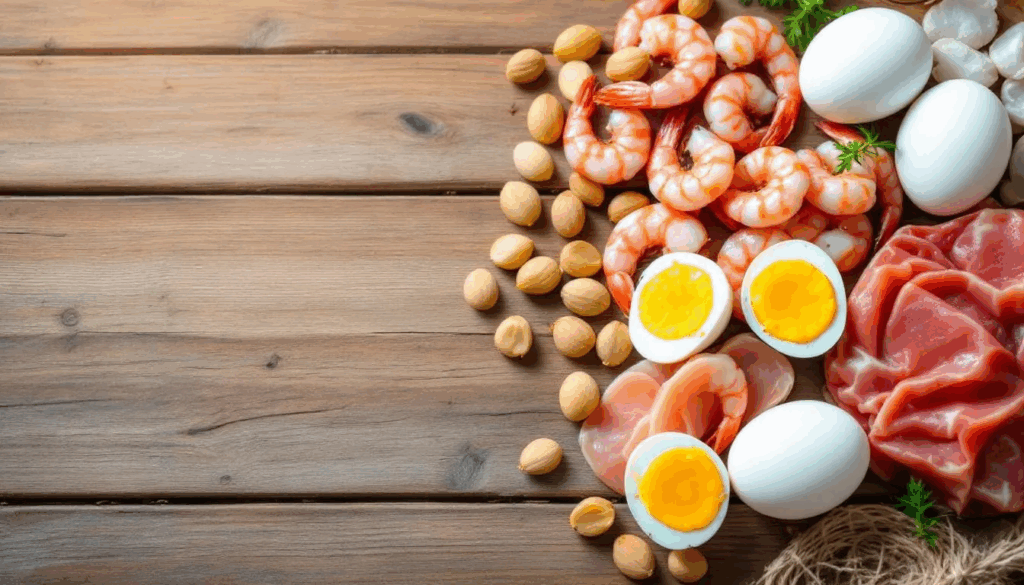
- Inadequate dietary intake of selenium rich foods like Brazil nuts, seafood, and organ meats
- Reliance on processed foods with reduced selenium content
Medical and Lifestyle Factors
- Gastrointestinal disorders affecting selenium absorption
- Patients undergoing kidney dialysis (removes selenium from blood)
- HIV infection and chronic diseases that impair nutrient absorption
- Smoking and environmental toxins that increase oxidative stress
- Certain medications that interfere with selenium utilization
Increased Selenium Requirements
- Pregnancy and breastfeeding
- Chronic inflammation and autoimmune conditions
- High stress and poor sleep patterns
- Exposure to heavy metals and environmental toxins
How Long Does It Take to Improve Thyroid Function with Selenium?
The timeline for selenium supplementation benefits depends on your baseline selenium status, the severity of deficiency, and individual factors affecting absorption and utilization.
Short-term Improvements (2-8 weeks)
- Blood selenium levels begin to normalize
- Initial reduction in oxidative stress markers
- Some patients report improved energy and mood
Medium-term Benefits (3-6 months)
- Thyroid hormone production optimization
- Selenium concentrations reach therapeutic levels in thyroid tissue
- Measurable improvements in immune system function
Long-term Results (6-12 months)
- Significant reduction in thyroid peroxidase antibodies
- Improved thyroid tissue structure on ultrasound
- Enhanced overall thyroid function and symptom relief
The effect of selenium supplementation varies based on genetic factors, concurrent nutrient deficiencies, and adherence to proper dosing protocols.
Selenium Supplementation for Thyroid Health
1. Forms of Selenium for Thyroid Support
Not all selenium supplements are created equal. The form of selenium significantly impacts absorption and effectiveness for thyroid health.
Selenomethionine – The most bioavailable form with 90% absorption rate. This organic form readily incorporates into proteins and provides sustained selenium release.
Selenium-enriched yeast – Contains selenomethionine and other organic selenium compounds. Offers excellent bioavailability and is well-tolerated by most patients.
Sodium selenite – An inorganic form with moderate absorption (approximately 50%). Less expensive but requires higher doses for therapeutic effects.
Brazil nuts – A natural source providing 68-91 mcg per nut. However, selenium content varies significantly based on soil conditions where nuts were grown.
2. Optimal Dosing for Thyroid Conditions
Selenium supplementation dosing should be individualized based on current selenium status and specific thyroid disease.
Daily Requirements:
- Adults: 55 mcg daily
- Pregnant women: 60 mcg daily
- Lactating women: 70 mcg daily
Therapeutic Doses for Thyroid Diseases:
- Hashimoto’s thyroiditis: 200 mcg daily for 3-6 months
- Graves disease: 100-200 mcg daily as adjunct therapy
- Subclinical hypothyroidism: 100 mcg daily for 3 months
- Thyroid eye disease: 100-200 mcg daily for 6 months
Safety Considerations: The tolerable upper intake level for selenium is 400 mcg daily. Too much selenium can cause acute selenium toxicity with symptoms including nausea, hair loss, and neurological problems.
3. Supporting Nutrients for Thyroid and Selenium Function
Selenium works synergistically with other nutrients to optimize thyroid health.
Essential Partners:
- Iodine – Required for thyroid hormone synthesis; selenium helps regulate iodine metabolism
- Vitamin E – Enhances selenium utilization and protects against oxidative stress
- Iron – Necessary for glutathione peroxidase activity and thyroid hormone production
- Zinc – Cofactor for thyroid hormone conversion and immune function
- Vitamin D – Supports immune regulation in autoimmune thyroid diseases
Selenium for Specific Thyroid Conditions
Research from randomized controlled trials demonstrates selenium’s effectiveness varies by thyroid condition.
Hashimoto’s Thyroiditis
Multiple studies show selenium supplementation reduced anti thyroid peroxidase antibody levels by 25-40% in patients with chronic autoimmune thyroiditis. The Life Selenium Trial and other clinical trials found 200 mcg daily selenomethionine improved quality of life and slowed disease progression.
Graves Disease
Selenium treatment accelerates the normalization of thyroid function when combined with conventional anti-thyroid medications. Patients often achieve euthyroid status more rapidly with selenium supplementation.
Thyroid Eye Disease
Selenium supplements reduce orbital inflammation and improve eye symptoms in patients with Graves-related ophthalmopathy. The antioxidant properties help protect delicate eye tissues from oxidative damage.
Differentiated Thyroid Cancer
Emerging research suggests selenium’s role in reducing thyroid cancer risk, though more studies are needed to establish definitive benefits for cancer prevention.
Subclinical Hypothyroidism
Some studies show selenium supplementation can lower serum TSH levels and improve symptoms in patients with mild thyroid dysfunction.
Will Selenium Supplementation Fix My Thyroid Problems?
The honest answer is: selenium can significantly improve thyroid function if you have selenium deficiency, but it’s not a cure-all for every thyroid problem.
Realistic Expectations
Selenium supplementation works best for:
- Patients with confirmed selenium deficiency
- Those with autoimmune thyroid diseases showing elevated antibodies
- Individuals in selenium-deficient geographic regions
- People with mild thyroid dysfunction related to oxidative stress
When Selenium May Not Be Enough
Selenium supplementation alone may not resolve:
- Advanced hypothyroidism requiring thyroid hormone replacement
- Thyroid cancer requiring surgical intervention
- Severe Graves disease needing immediate medical management
- Structural thyroid abnormalities like large goiters
Integrating Selenium with Conventional Treatment
The most effective approach combines selenium supplementation with:
- Appropriate thyroid hormone medications when indicated
- Regular monitoring of thyroid function and selenium levels
- Addressing other nutrient deficiencies
- Managing stress and supporting overall immune system health
- Working with a knowledgeable healthcare provider
Most patients see meaningful improvements within 3-6 months when selenium deficiency is properly addressed as part of comprehensive thyroid care.
Conclusion
Selenium plays an indispensable role in thyroid hormone production, immune function, and protecting thyroid tissue from oxidative damage. The overwhelming evidence from systematic reviews and clinical trials supports selenium supplementation for patients with autoimmune thyroid diseases and selenium deficiency.
However, success requires proper testing of selenium status, appropriate dosing, and realistic expectations about outcomes. Selenium supplementation works best when integrated with conventional thyroid treatment rather than used as a standalone solution.
If you’re struggling with persistent thyroid symptoms despite treatment, consider asking your healthcare provider about testing your selenium levels. Addressing selenium deficiency could be the missing piece in optimizing your thyroid health and overall well-being.
Remember: while selenium is generally safe, working with a knowledgeable practitioner ensures you receive the right form, dose, and monitoring for your individual needs. You need labwork! Your thyroid health deserves comprehensive care that addresses all contributing factors, including essential nutrients like selenium.
Frequently Asked Questions for Selenium and Thyroid Health
1. What Role Does Selenium Play in Thyroid Function?
Selenium helps your thyroid produce and activate hormones by supporting important enzymes that convert T4 into the active hormone T3. It also protects thyroid tissue from oxidative stress that occurs during hormone production. Without enough selenium, thyroid function and immune balance can be affected.
2. Can Selenium Help with Hashimoto’s Thyroiditis?
Yes, research shows selenium supplementation may reduce thyroid peroxidase antibodies in people with Hashimoto’s thyroiditis. Some studies report a 25–40% reduction in antibody levels, which may help lower inflammation and support better thyroid function over time.
3. What Are the Best Food Sources of Selenium?
Brazil nuts are one of the richest natural sources of selenium. Other good sources include seafood, eggs, organ meats, and certain whole grains. However, the selenium content of foods can vary depending on the soil where they are grown.
4. What Is the Recommended Dosage for Thyroid Support?
The general daily requirement for adults is about 55 mcg of selenium. For thyroid conditions like Hashimoto’s, some studies use around 200 mcg daily for several months under medical supervision.
5. Are There Risks to Taking Too Much Selenium?
Yes, taking too much selenium can cause toxicity. Symptoms may include nausea, hair loss, brittle nails, and neurological issues. The safe upper limit for most adults is about 400 mcg per day, so supplementation should be monitored carefully.
Pin This For Later:

Postnatal Depletion
Meet the Team
Our Services
Supplements
A virtual healthcare clinic that helps postpartum mamas recover from postnatal depletion syndrome with a holistic approach.
Welcome to Postpartum Care USA


Get in touch